What Is a Ski-in/Ski-out Hotel? Advantages and What to Watch Out For
Ski-in/ski-out means accommodation where you can ski out of the hotel to a run or a lift and ski back to the hotel at the end of the day; it is a term used by the tourism industry and is not found in dictionaries. Its biggest advantage is time and convenience: no transfers, long walks or carrying equipment. Utah's official ski tourism organisation says that ski-in/ski-out is everyone's first choice but is often more expensive. Do not confuse it with “close to the slopes”: with real ski-in/ski-out, you connect to the slopes without taking your skis off.
Ski-in/ski-out is made up of two parts: ski-in (arriving on skis) and ski-out (leaving on skis). At a real ski-in/ski-out hotel:
From the hotel door or ski room, you reach a run or a lift queue with your skis on.
At the end of the day, you ski down a run to the front of the hotel.
The concept is not found in dictionaries; it is a term used by the tourism industry, and not every hotel uses it in the same sense.
“Ski-in/ski-out” vs “close to the slopes”
Ski-in/ski-out
Close to the slopes
Getting to the lift
On skis, directly
On foot or by shuttle
Returning at the end of the day
On skis to the hotel
On foot or by shuttle from the lift's base station
Carrying equipment
None or very little
Walking with skis and boots
Price
Usually higher
May be cheaper
If you see a phrase like “100 metres from the slopes” in a hotel listing, ask: are those 100 metres an uphill walk in the snow, or a distance you can ski?
Pros
Time: In the morning you get onto the slopes without waiting for a transfer or shuttle; it is easy to go back to the hotel at lunchtime.
Convenience: You do not carry skis, boots and poles; your equipment stays in the hotel's ski room.
Families and children: It is easy to go back to the hotel when a child gets tired.
Accessibility: Utah's official ski tourism organisation notes that slopeside accommodation is also a great help for people with limited mobility.
Cons
Price: The same organisation says that ski-in/ski-out is often (not always) more expensive.
Evening options: Slopeside hotels can be far from the town or city centre; nightlife may be limited to the hotel.
Bad-weather days: When the slopes close, there may be nothing else to do nearby.
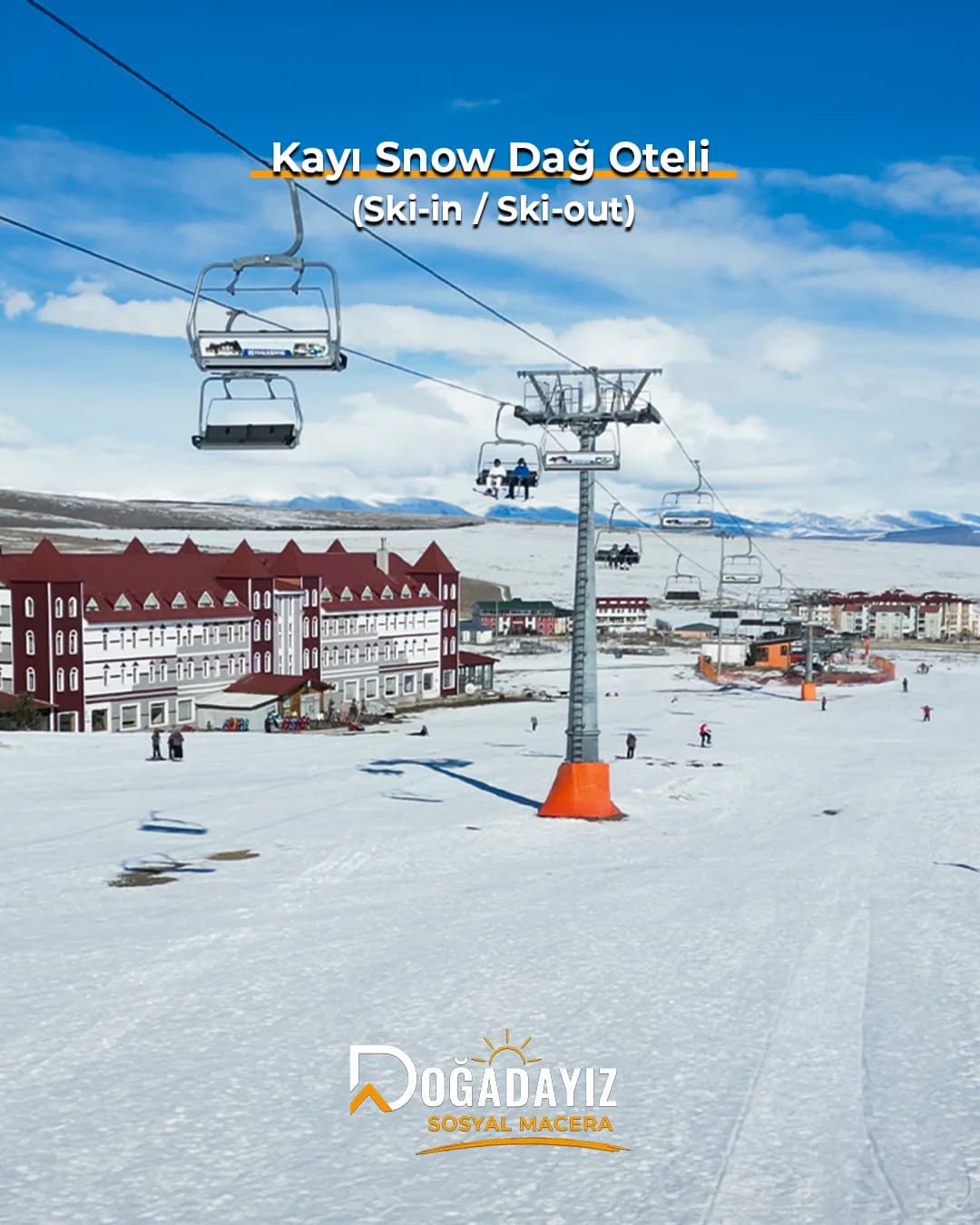
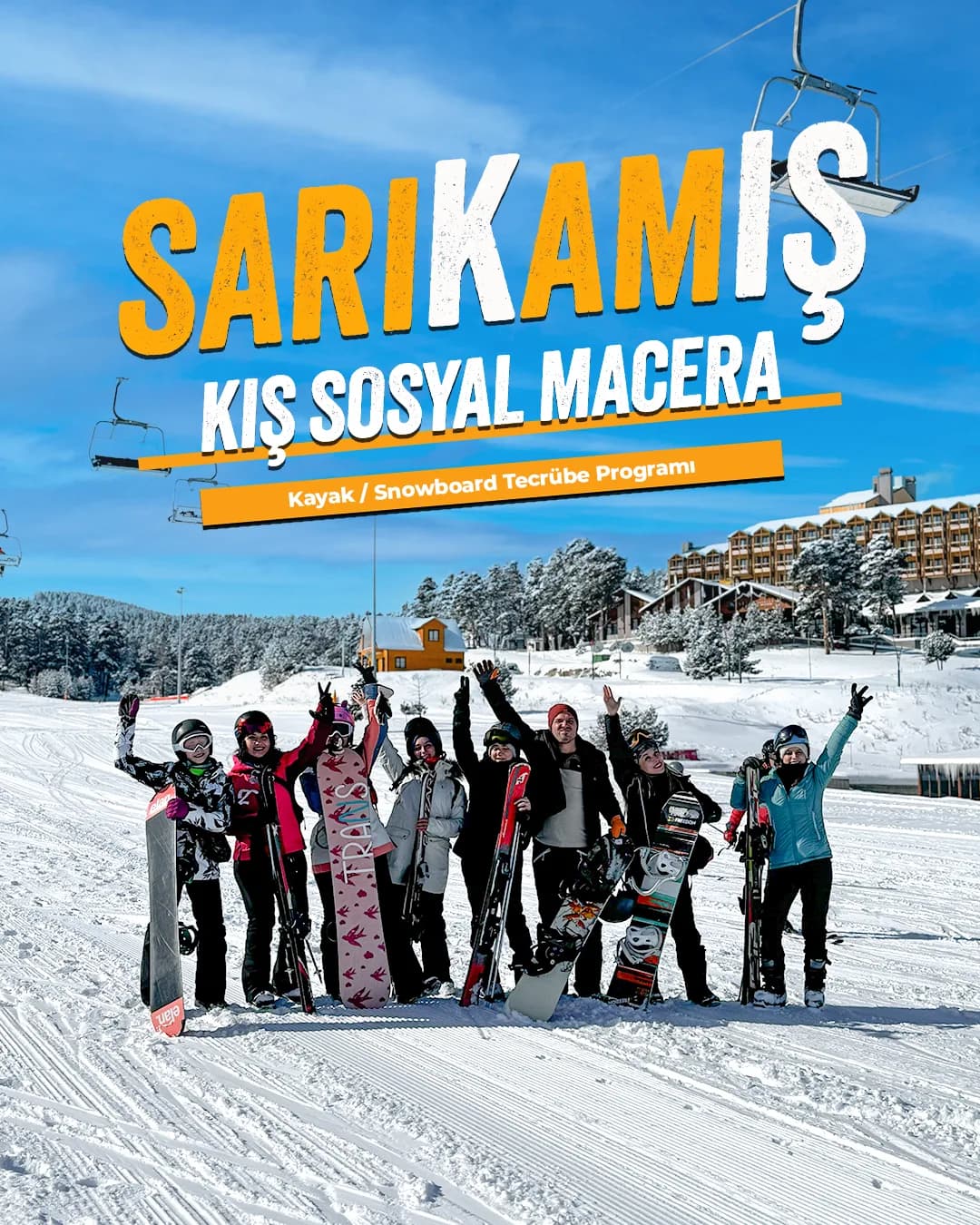
Sarıkamış: The hotel used on Doğadayız's Sarıkamış programme is right next to the slopes and chairlifts; you ski out of the hotel and ski back.
Palandöken: The resort has ski-in/ski-out hotels; for details, see the Palandöken slope guide.
Uludağ and Kartalkaya: At these resorts the lifts have historically been run by the hotels; your choice of hotel also determines which lifts and runs you can reach directly.
Abroad, in a town centre like Bansko, you usually walk to the gondola station: the hotel used on Doğadayız's Bansko programme is about 350 metres from the gondola.
Do you need it on your first ski holiday?
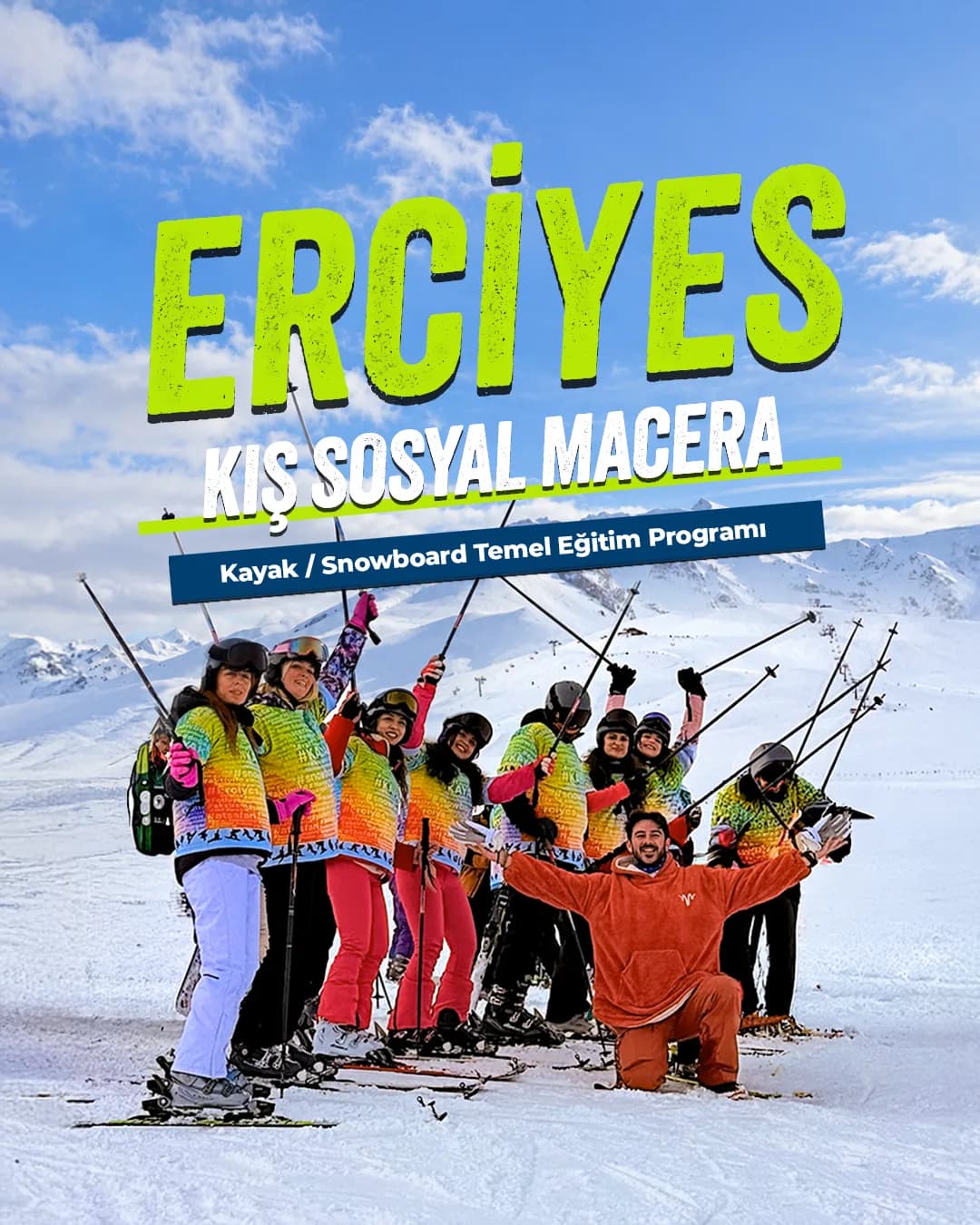
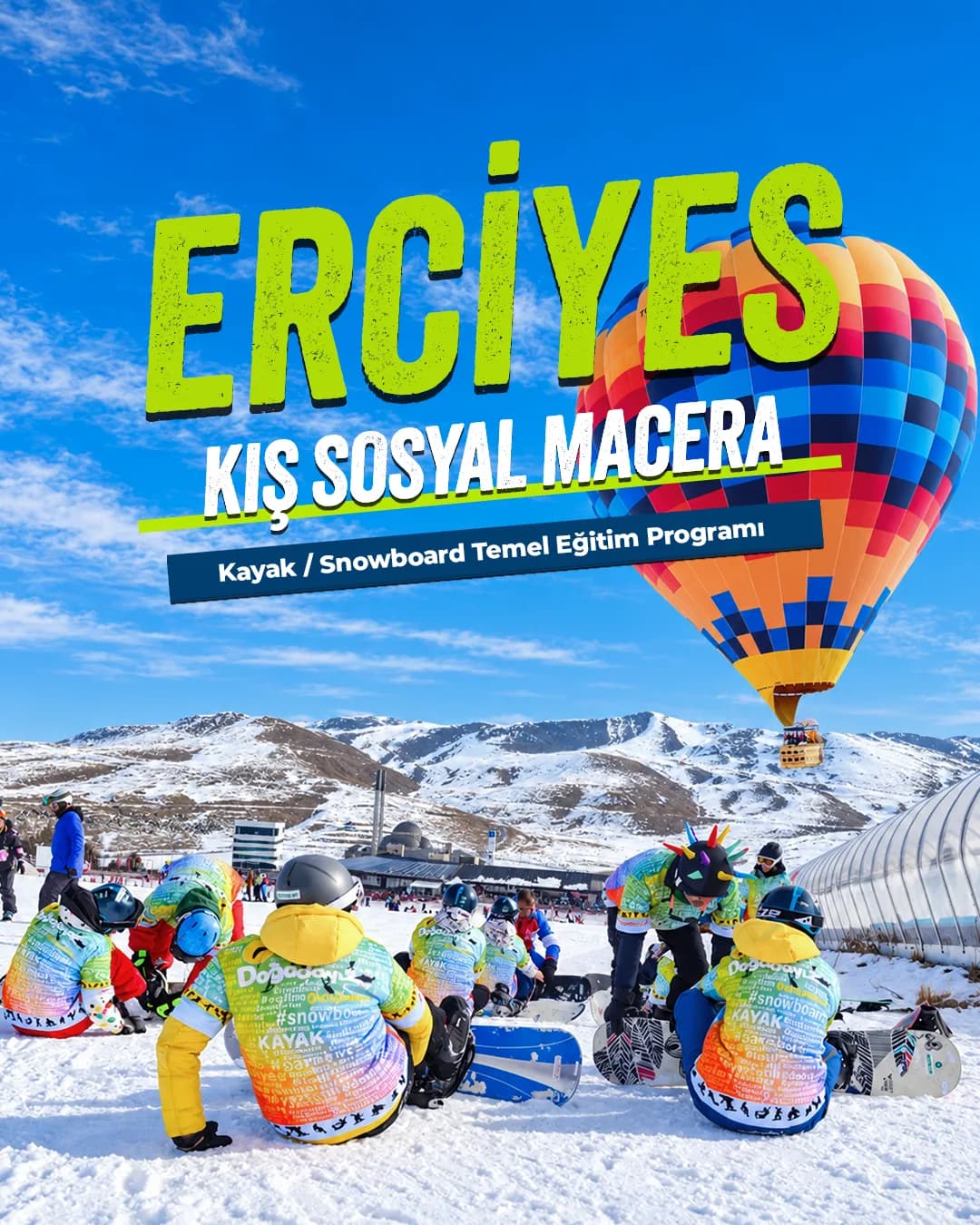
Not necessarily. Ski-in/ski-out is a great convenience, but what really matters on a first holiday is a good beginner area, an instructor and a well-planned programme. On an activity holiday package, transfers between hotel and slopes and equipment are already organised, so the hotel's distance from the slopes matters less; on Doğadayız's Erciyes programmes, for example, accommodation is deliberately in Cappadocia so you can explore the region as well. Whichever option you choose, the evenings spent with the group turn the holiday into a social adventure holiday. For programmes, see the winter activity holidays page.
Doğadayız Packages
Doğadayız packages for your level
Winter activity holidays with accommodation, ski pass and equipment included, shared with a group.
The easiest way to learn to ski: a winter activity holiday
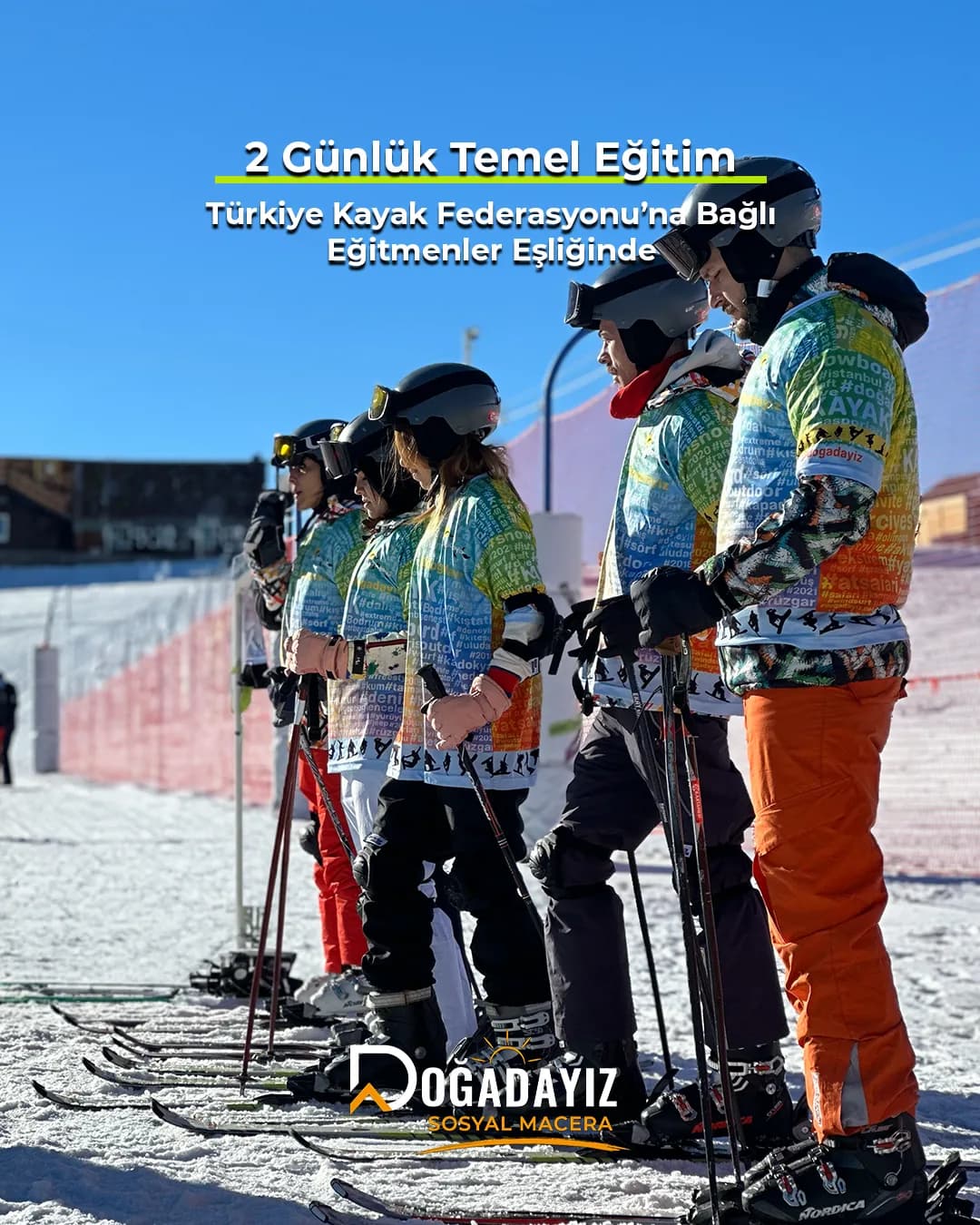
An activity holiday puts a sport at the heart of your trip: transport, accommodation and meals are planned, so you can focus on learning on the slopes. On Doğadayız winter activity holidays, accommodation, ski pass and ski or snowboard equipment are included in every package; course packages include basic lessons with instructors affiliated with the Turkish Ski Federation, while experience packages let you practise on the slopes at your own level.
What makes the programme different is the group: sharing the slopes with people at a similar level, dinners and nights out together, and a group leader by your side at all times. Solo travellers become part of this social adventure holiday from day one. That is why we describe our programmes as a social adventure holiday.
It means accommodation where you can ski out of the hotel to a run or a lift and ski back to the hotel at the end of the day. It is a term used by the tourism industry and is not found in dictionaries.
Are ski-in/ski-out hotels more expensive?
Usually, yes. Utah's official ski tourism organisation says that ski-in/ski-out is everyone's first choice but is often (not always) more expensive.
Are there ski-in/ski-out hotels in Turkey?
Yes. Examples include hotels right next to the slopes and chairlifts in Sarıkamış, and slopeside hotels in Palandöken, Uludağ and Kartalkaya. In Uludağ and Kartalkaya, the lifts have historically been run by the hotels.
The choice depends on what you want from your holiday. A mountain hotel (especially a ski-in/ski-out hotel right by the slopes) saves time: you ski out of the hotel and ski back; but your evening options may be limited to the hotel. A ski town (e.g. Bansko) combines the slopes with a social life. Staying in a city or a nearby tourist area (e.g. Cappadocia for Erciyes) means a transfer every day, but offers far more options in the evenings and on bad-weather days. For someone who has never skied, a winter activity holiday with transfers and equipment organised makes the logistics easier wherever you stay.
Each of the three appeals to a different kind of skier. Erciyes (Kayseri) has the largest slope network (41 runs) and the highest ski area (3,346 m); with its training areas and accommodation in Cappadocia, it is the best option for those who have never skied. Sarıkamış (Kars) is known for runs through Scots pine forest and dry, light snow; the Doğadayız programme there is an experience package at a ski-in/ski-out mountain hotel for those who can already ski. Bansko (Bulgaria) is a European resort reached by gondola, with a World Cup run; it is for those who can ski on their own and want a winter activity holiday abroad, and holders of a burgundy passport need a Schengen visa.
The easiest way to plan your first ski holiday is to get the order right: assess your level → choose the resort → allow at least 2–3 days on the slopes → pick dates with the mid-year school holiday crowds in mind → plan lessons, equipment, ski pass and accommodation together → get your clothing ready → check safety and insurance. For someone who has never skied, a resort with a large training area (e.g. Erciyes) and lessons with an instructor are essential. A winter activity holiday that brings all these pieces together in one package is the way to make the fewest mistakes on your first trip.