Après-ski is French for “after skiing” and refers to the social activities and entertainment that take place in hotels, restaurants and venues after a day’s skiing. Its first use in English dates back to 1951; it is a long-established tradition in the Alps, especially in Austria. Après-ski is not just a drinking hour: a hot drink on the way back from the slopes, a shared meal, live music or an activity at the hotel are all après-ski too. On a winter social adventure holiday, this is often the most memorable part of the day. The only rule: the fun comes after the slopes; alcohol and skiing do not mix.
The Oxford dictionary defines après-ski as “social activities and entertainment that take place in hotels and restaurants after a day’s skiing”; according to Merriam-Webster, the first known use of the word in English is 1951. According to the Tyrol tourist board, some say après-ski was born in St. Anton am Arlberg in Austria. Today, almost every ski village in the Alps has après-ski venues where the slopes end.
How do you enjoy après-ski?
There is no single form of après-ski:
A break on the way back from the slopes: hot chocolate, tea or something to eat at a café by the slopes, just before or right after the lifts close.
A shared dinner: the table where the day’s falls and first turns are retold.
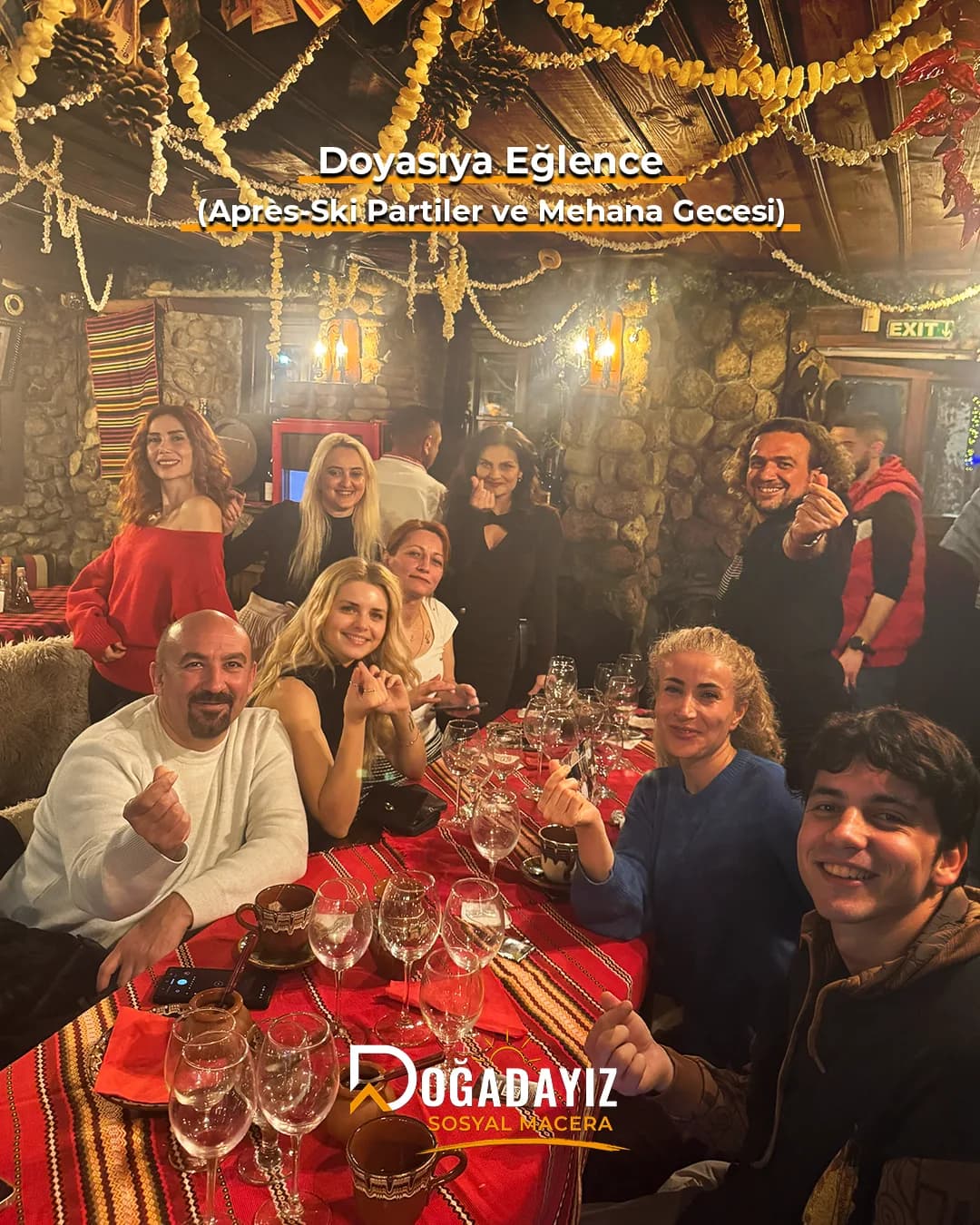
Live music and dancing: at the hotel or at venues in town.
Rest: a sauna, the pool or simply a chat on tired legs.
So après-ski is not a “drinking hour” but a time to share the day. For people who are just learning to ski, this has a special value: the nerves of the first day ease when you talk to people who have been through the same thing.
Alcohol and the slopes: what does the research say?
Après-ski culture in the Alps is associated with alcohol, but the effect of alcohol on the slopes is a serious matter.
How common is it? In a survey of 3,000 people by KFV, the Austrian road safety institute, 34% of participants said they had done winter sports under the influence of alcohol in the last 12 months. In a study of 816 skiers in Tyrol (Journal of Science and Medicine in Sport, 2019), 30% of men and 16% of women had drunk alcohol on the day they skied.
What is the risk? In a case-control study (Journal of Studies on Alcohol, 1998), the amount of alcohol drunk predicted ski injury; drinking 12 hours or more before skiing was also associated with risk, so hangovers matter too. In the Italian Dolomites, high blood alcohol levels were found in 43% of 200 seriously injured skiers (Medicine, Science and the Law, 2010).
Is the evidence one-sided? No. An older study (Journal of Trauma, 1996) concluded that alcohol was not the main factor in skiing accidents. Although the overall picture is mixed, it leans towards risk.
According to KFV, there is no official blood alcohol limit on the slopes in Austria; but someone who skis under the influence may face legal liability and the risk of losing insurance cover in the event of an accident. The institute’s advice is simple: drink after skiing.
5 rules of après-ski
Slopes first, fun later. Alcohol not before or on the slopes, but after the day is over.
Think about the next day. A hangover can also increase the risk of an accident; if you have a lesson or an early start on the slopes in the morning, plan your night accordingly.
Drink water. In the cold and at altitude, don’t forget to drink water throughout the day and in the evening too.
Head back with the group. On the way back at night, especially on snowy and icy roads, don’t be on your own.
You don’t have to drink. The essence of après-ski is conversation and music; it is just as enjoyable without alcohol.
Après-ski on Doğadayız programmes
On Doğadayız winter programmes, the evening programme is different at each resort, and taking part is optional:
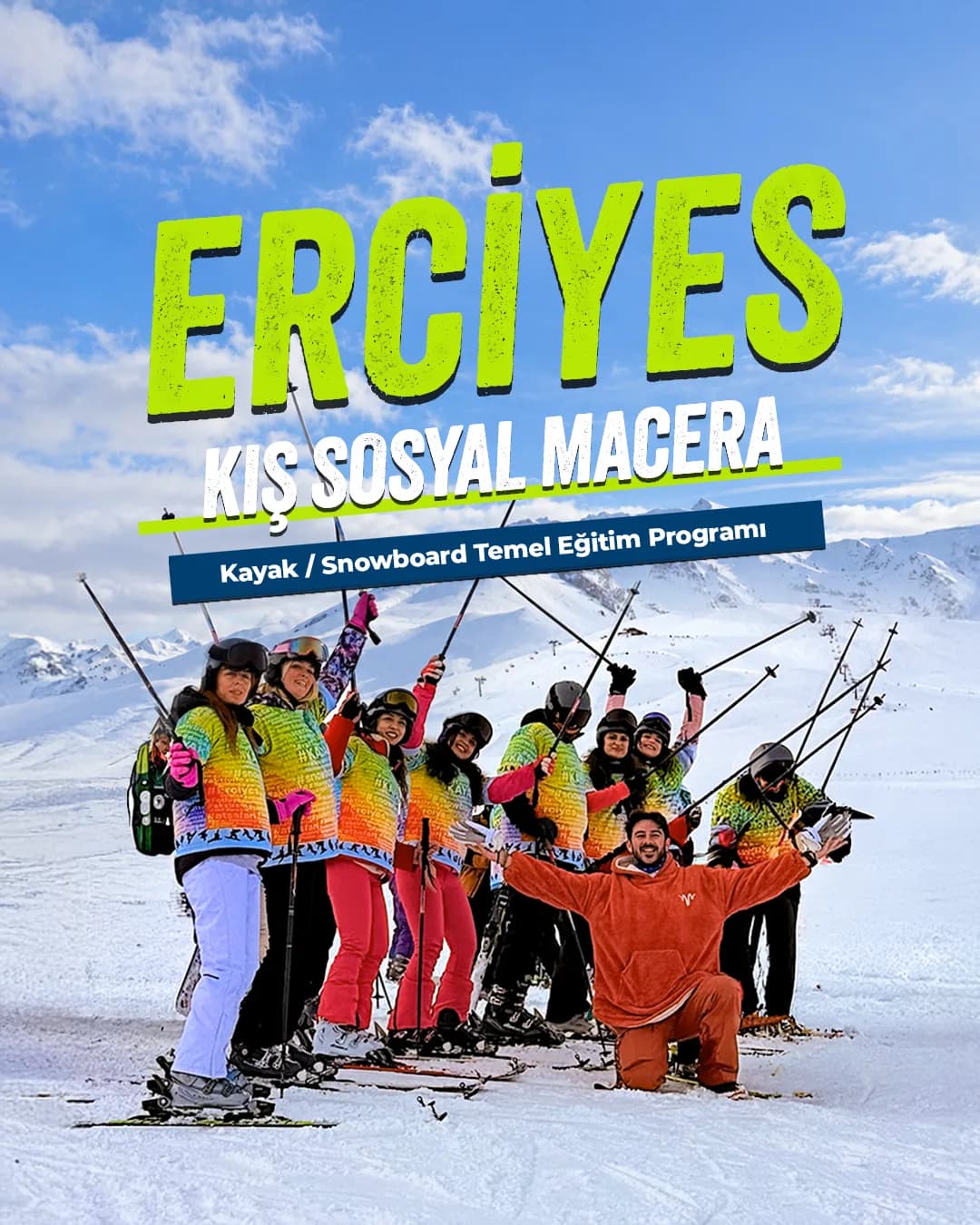
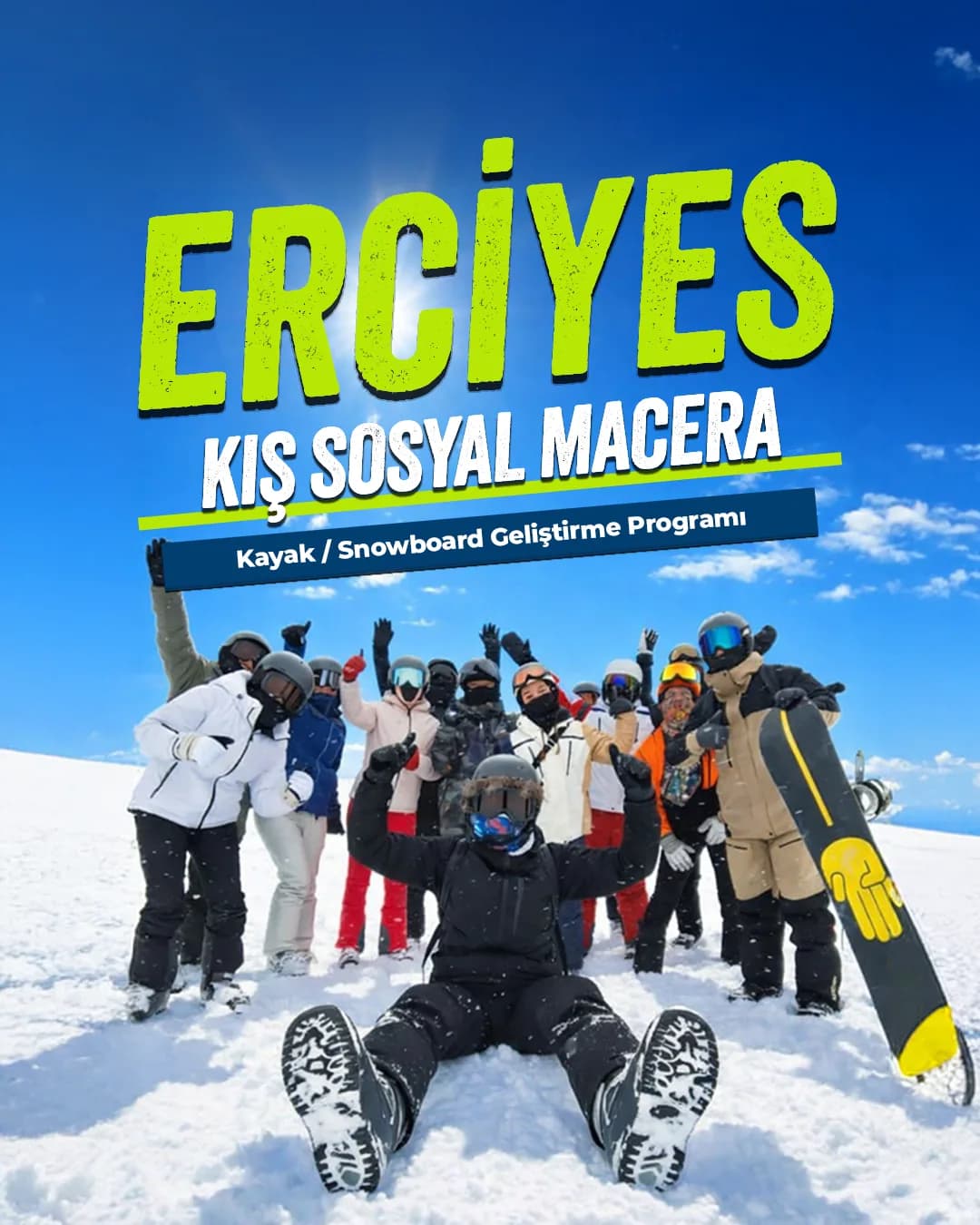
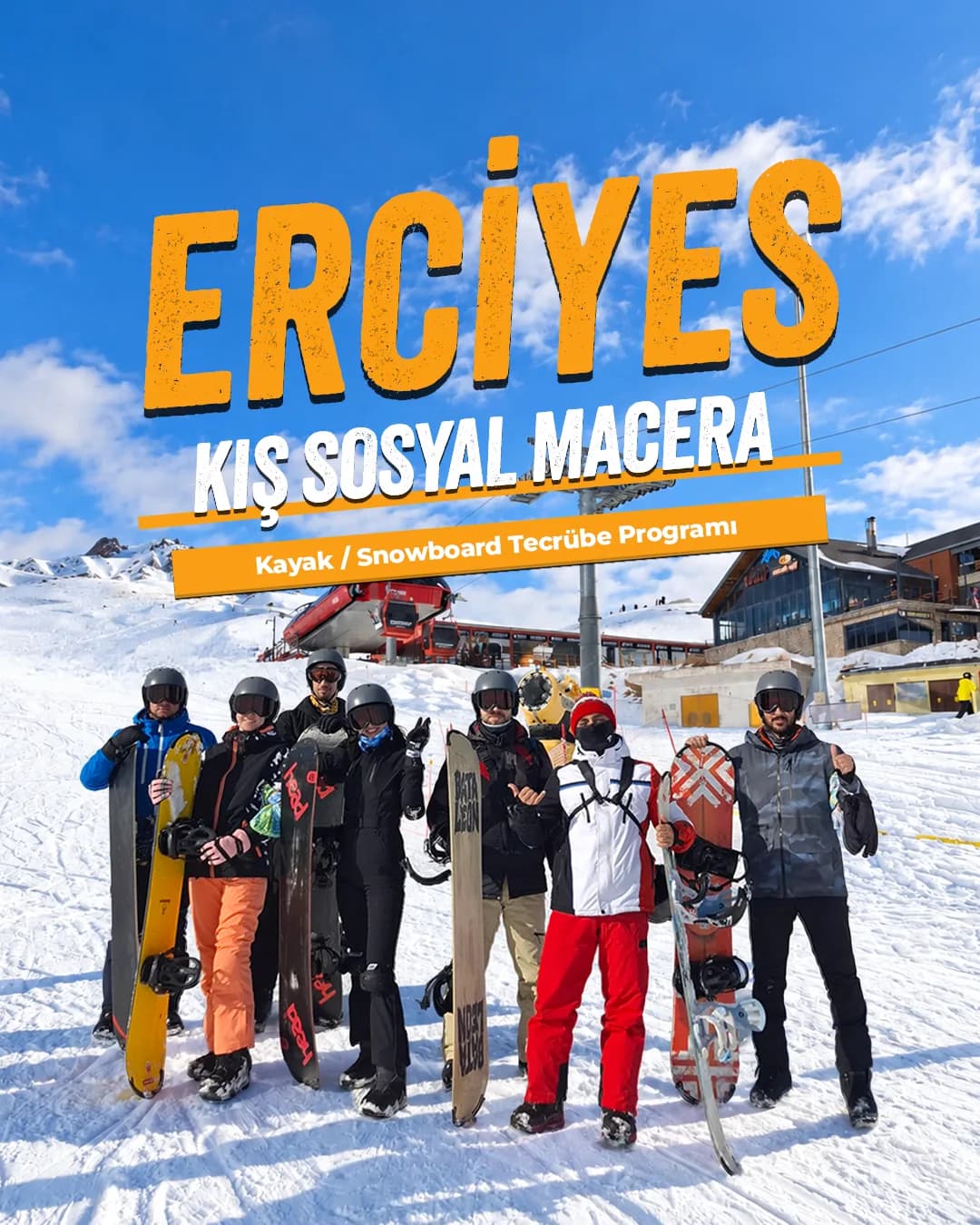
Erciyes: after dinner and a chat with the group, live music and nightlife in Cappadocia for those who want it.
Sarıkamış: live music, hotel activities and a Caucasian night at the hotel right next to the slopes.
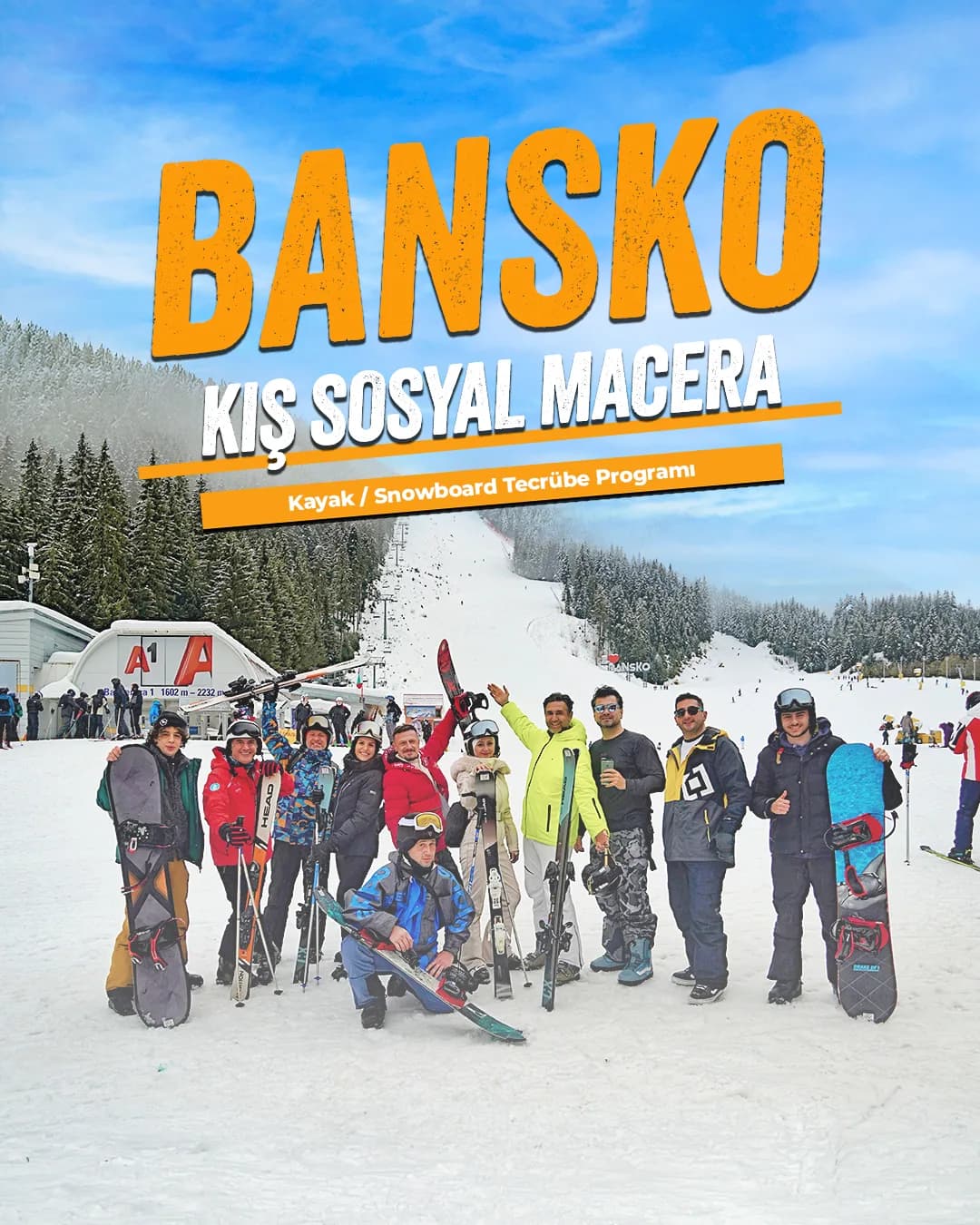
Bansko: guided nights out with live music in town.
Drinks consumed on nights out are not included in the packages. On the slopes, the FIS 10 rules for conduct apply: everyone chooses their speed and route according to their own ability and the conditions.
Après-ski and the social adventure holiday
On an activity holiday, the day is spent on sport; the evening is when the group comes together. That is why après-ski is the heart of a social adventure holiday: the moment when solo travellers make friends and friends at different levels meet at the same table. You can find out how a social ski holiday works in our guide What is a social ski holiday?, and the winter programmes on the winter activity holidays page.
Doğadayız Packages
Doğadayız packages for your level
Winter activity holidays with accommodation, ski pass and equipment included, shared with a group.
The easiest way to learn to ski: a winter activity holiday
An activity holiday puts a sport at the heart of your trip: transport, accommodation and meals are planned, so you can focus on learning on the slopes. On Doğadayız winter activity holidays, accommodation, ski pass and ski or snowboard equipment are included in every package; course packages include basic lessons with instructors affiliated with the Turkish Ski Federation, while experience packages let you practise on the slopes at your own level.
What makes the programme different is the group: sharing the slopes with people at a similar level, dinners and nights out together, and a group leader by your side at all times. Solo travellers become part of this social adventure holiday from day one. That is why we describe our programmes as a social adventure holiday.
It is French for “after skiing”. It refers to the social activities and entertainment that take place in hotels, restaurants and venues after a day’s skiing: a hot drink, a shared meal, live music or rest.
Where did après-ski originate?
The first known use of the word in English is 1951. According to the Tyrol tourist board, some say après-ski was born in St. Anton am Arlberg in Austria; today it is a long-established Alpine tradition.
Is it dangerous to drink alcohol while skiing?
Yes, it is risky. Research shows that the amount of alcohol drunk predicts ski injury and that hangovers are also associated with risk; an older study, however, did not find alcohol to be the main factor. The general advice: alcohol after skiing.
Do you need to drink alcohol for après-ski?
No. The essence of après-ski is sharing the day: conversation, food, music and rest. It is just as enjoyable without alcohol.
A social ski holiday is a winter social adventure holiday where you learn and enjoy skiing or snowboarding as a group, spending the day on the slopes and the evening with the same group. Three things set it apart from a classic ski holiday: groups formed by level, a group leader who is with you at all times and a shared social programme after the slopes (dinner, nightlife, après-ski). It is also an activity holiday: accommodation, ski pass and equipment are planned, so all you have to do is focus on the slopes and the group. It is especially well suited to people travelling solo.
A winter holiday is about more than skiing. In Erciyes, night skiing, sledging areas and snowkiting; in Cappadocia, where you stay, hot-air balloons, ATV rides among the fairy chimneys, the UNESCO-listed Göreme valleys and the underground cities; in Sarıkamış, horse-drawn sleighs, cross-country skiing, traces of the Sarıkamış Operation and the Ani archaeological site in Kars; in Bansko, the historic old town and nearby hot springs fill the days away from skiing. A winter activity holiday that combines skiing with exploring the region never leaves the programme empty, even on bad-weather days.
Yes, you can go on a ski holiday on your own, and more and more people are doing so. According to Doğadayız booking records, the share of participants who joined the winter programmes on a solo booking rose from 26% in the 2022–23 season to 39% in 2025–26. For someone travelling alone, the easiest way is to join a group programme with groups by level, a group leader and a shared evening programme: you find a circle of people from day one, rooms are planned in advance and you are never on your own on the slopes. Programmes like this are designed as a social adventure holiday.