The FIS 10 rules for conduct are the rules of behaviour set by the International Ski Federation for skiers and snowboarders: respect for others, control of speed, choice of route, overtaking, entering the piste, stopping, climbing and descending on foot, respecting signs, assistance and identification. They are not law; however, around the world they are used as a benchmark when assessing liability in skiing accidents.
The International Ski Federation (FIS) has published 10 rules of conduct for skiers and snowboarders to prevent collisions and accidents on the slopes. The text of the rules in use today was adopted at the FIS Congress in 2002.
The FIS rules are not a law like the highway code; FIS presents them as guidelines, and each ski resort's own rules also apply. However, in many countries courts use these rules as a benchmark when assessing who failed in their duty of care in skiing accidents. In short: everyone on the slopes is expected to follow these rules.
The 10 rules
1. Respect for others
Every skier and snowboarder must behave in such a way that they do not endanger or harm others. All the other rules are applications of this principle.
2. Control of speed and skiing
You must ski under control. Adapt your speed and the way you ski to your own ability, to the terrain, snow and weather conditions, and to how busy the piste is. Slow down when visibility drops, the snow hardens or the piste gets crowded.
3. Choice of route
The person coming from behind (from above) must choose a route that does not endanger those ahead. The skier or snowboarder in front does not have to signal what they are going to do; they may turn suddenly. Priority always lies with the person in front.
4. Overtaking
You may overtake a skier or snowboarder from above or below, on the right or on the left; however, you must leave the person you are overtaking enough room for every movement they might make, voluntary or involuntary.
5. Entering, starting and moving upwards
When entering a marked piste, starting off again after stopping, or moving uphill on the slope, you must look up and down the piste; you must make sure you can move without endangering yourself or others.
6. Stopping on the piste
Unless absolutely necessary, do not stop in narrow places or where visibility is restricted (such as below bends and bumps). If you have fallen in such a place, clear the piste as quickly as possible.
7. Climbing and descending on foot
If you are walking up or down the piste, use the edge of the piste.
8. Respect for signs and markings
Obey all signs and markings on the piste: run colours, closed runs, slow zones, avalanche warnings. Run colours show the relative difficulty of a run; entering a closed run or going outside the marked area (off-piste) puts both you and the teams who would have to search for you in danger.
9. Assistance
In the event of an accident, every skier and snowboarder is obliged to help.
10. Identification
Everyone involved in an accident, whether responsible or not, and any witnesses must exchange names and contact details after the accident.
What should you do after an accident?
Make the area safe. A few metres above the injured person, warn people coming from above by planting skis crossed in the snow or holding a snowboard upright.
Assess the situation. Is the injured person conscious, are they breathing? If you suspect a serious injury, do not move them.
Call for help. Notify the ski resort's piste safety team; in Turkey, call 112 in an emergency. When describing the location, give the name of the run and the nearest lift pylon.
Keep them warm. Put a jacket or blanket over the injured person to protect them from the cold.
Share details. Under rule 10, those involved in the accident and witnesses share their names and contact details.
A few extra rules on lifts and slopes
On a chairlift, keep the safety bar down for the whole ride; at the top, move away from the ramp quickly.
On a drag lift, do not sit down, do not leave the track, and do not let go of the bar and swing it towards someone else.
If you ski with headphones, keep the volume low; you need to be able to hear a warning from behind you.
Do not ski under the influence of alcohol. Reaction time and balance are less forgiving on snow than in traffic.
Skiing as a group
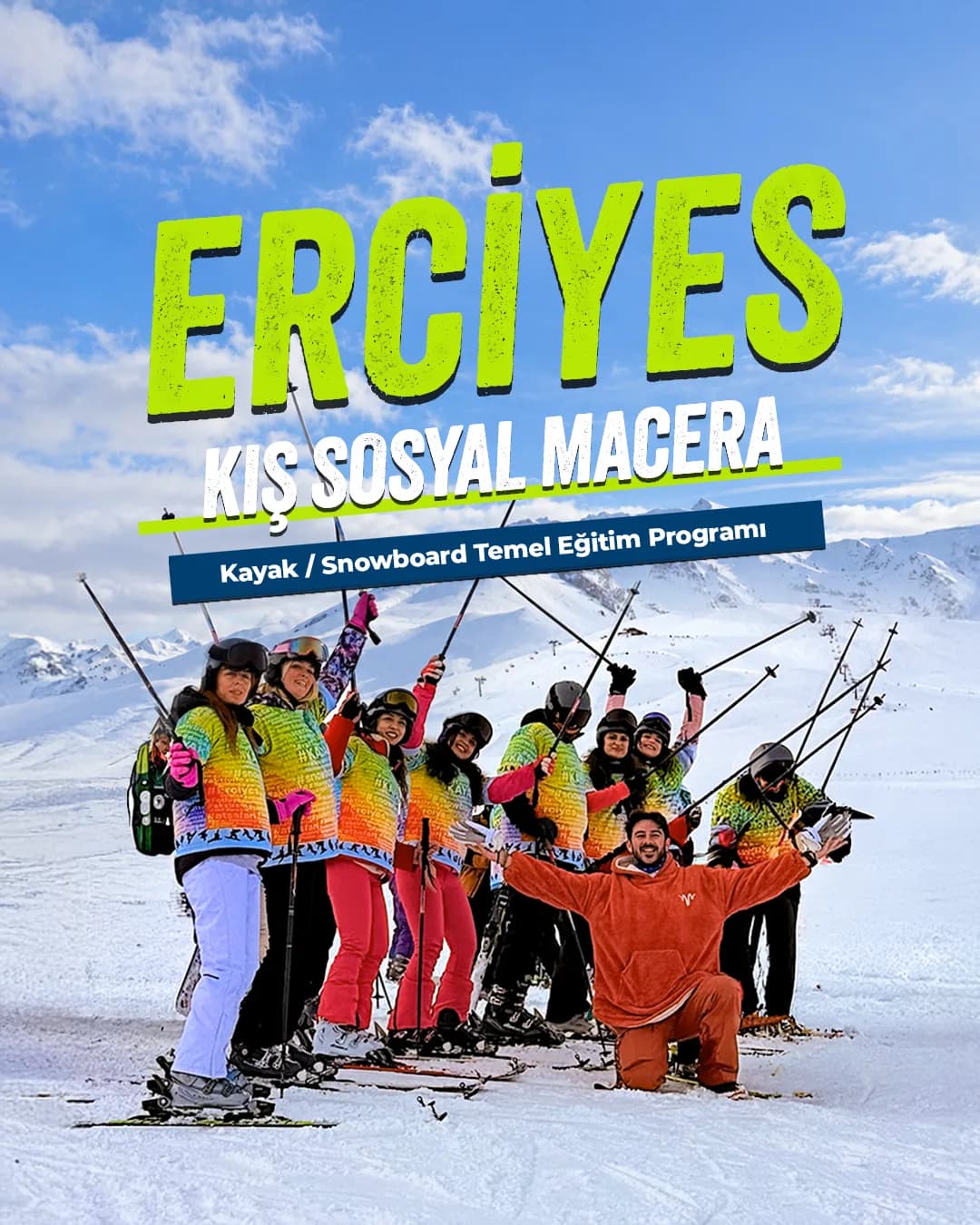
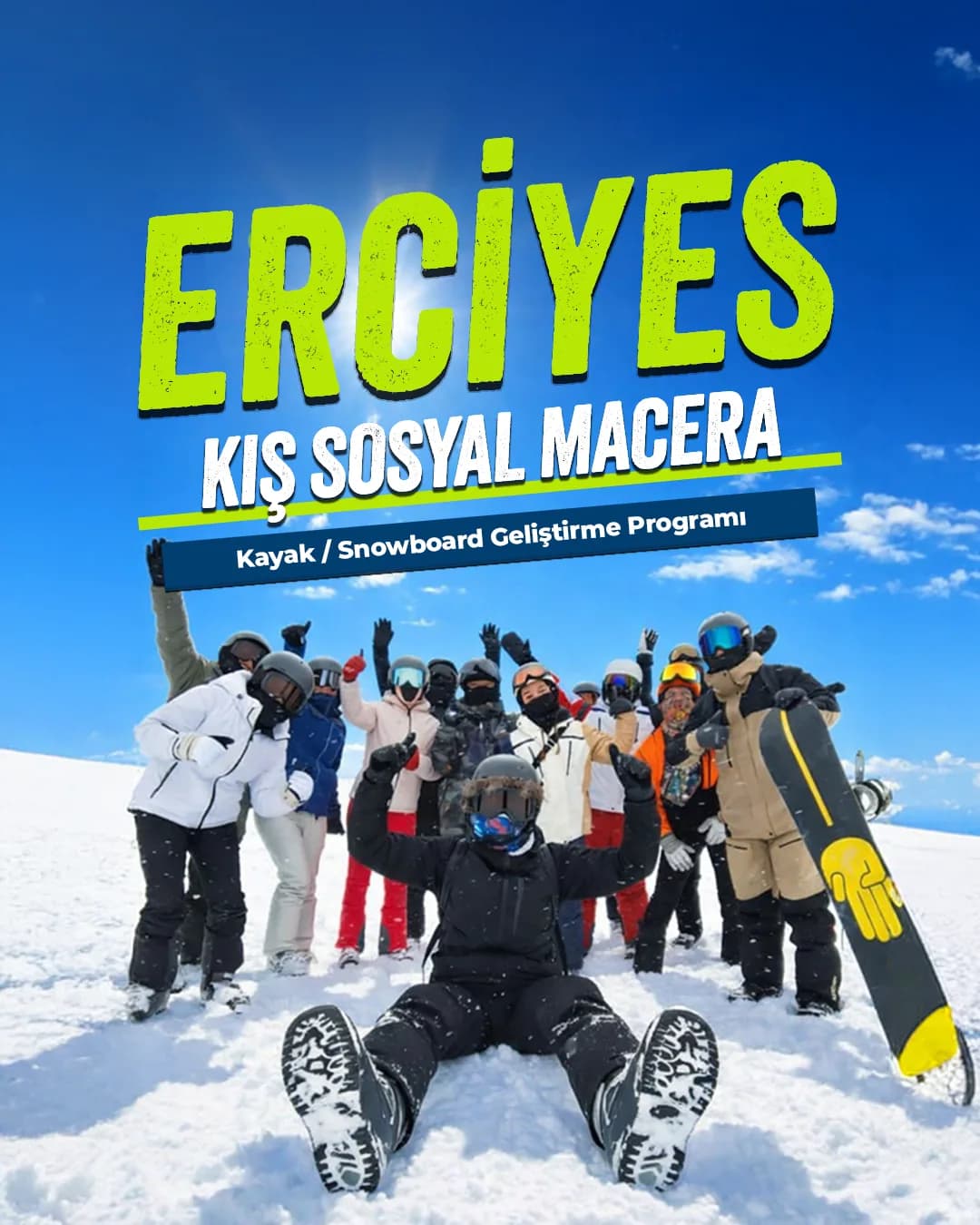
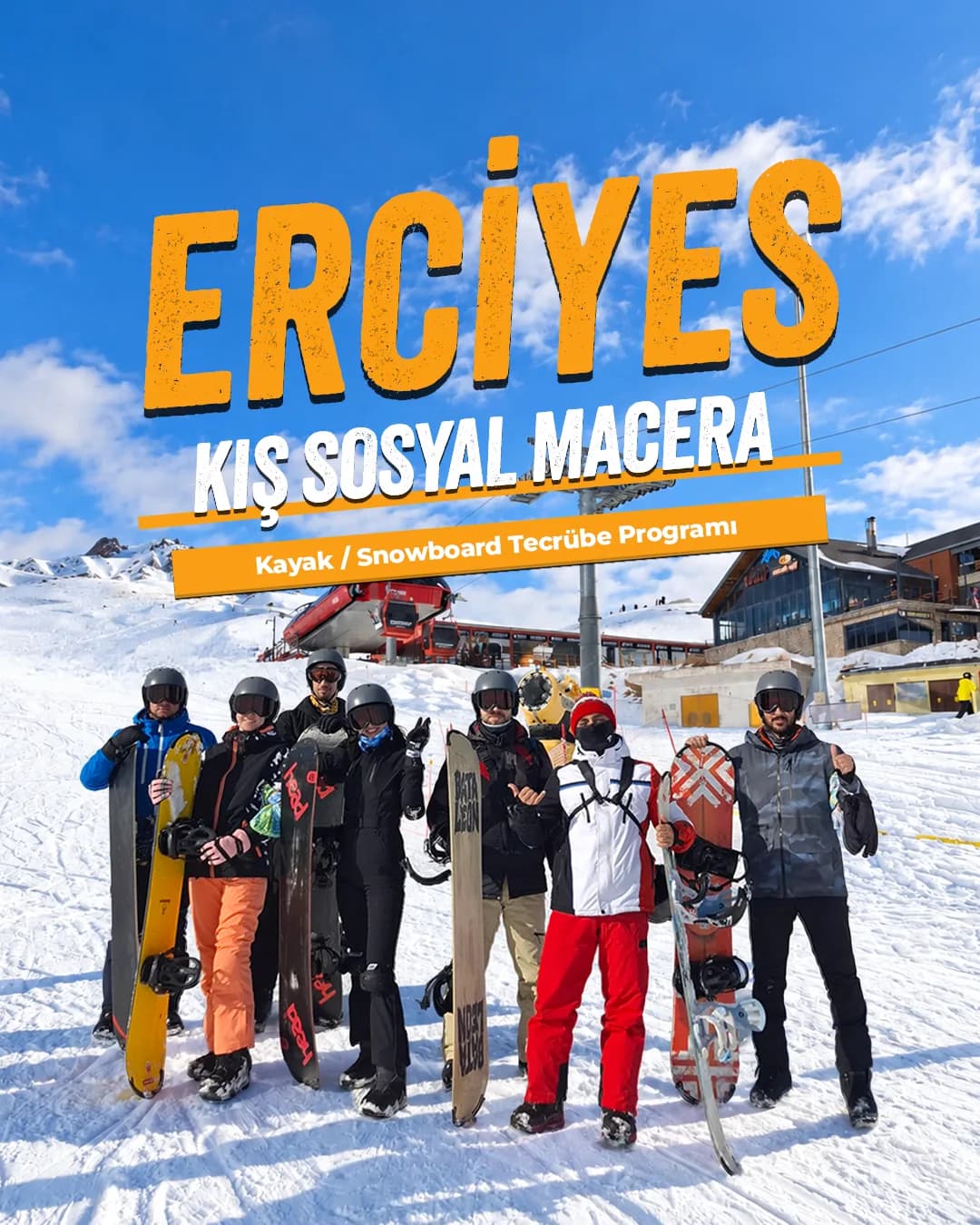
On a winter activity holiday or when skiing with friends, the rules apply to each member of the group individually. Everyone chooses a speed that suits their own level (rule 2), the group gathers at the edge of the piste in a spot that is visible from above (rule 6), and the piste is not blocked while waiting for the slowest person. On Doğadayız programmes, the group leader chooses meeting points according to these rules; a day of safe skiing also makes the evening of a social adventure holiday all the more enjoyable.
Doğadayız Packages
Doğadayız packages for your level
Winter activity holidays with accommodation, ski pass and equipment included, shared with a group.
The easiest way to learn to ski: a winter activity holiday
An activity holiday puts a sport at the heart of your trip: transport, accommodation and meals are planned, so you can focus on learning on the slopes. On Doğadayız winter activity holidays, accommodation, ski pass and ski or snowboard equipment are included in every package; course packages include basic lessons with instructors affiliated with the Turkish Ski Federation, while experience packages let you practise on the slopes at your own level.
What makes the programme different is the group: sharing the slopes with people at a similar level, dinners and nights out together, and a group leader by your side at all times. Solo travellers become part of this social adventure holiday from day one. That is why we describe our programmes as a social adventure holiday.
No. The FIS rules are guidelines and do not replace ski resorts' own rules. However, in many countries courts use these rules as a benchmark when assessing liability in skiing accidents.
Who has priority on the slopes?
The skier or snowboarder in front (below). The person coming from behind must choose a route that does not endanger those ahead and leave enough room when overtaking.
Where should you not stop on the piste?
Unless absolutely necessary, do not stop in narrow places or where visibility is restricted, for example directly below bends and bumps. The edge of the piste is the place to stop.
You start skiing with a beginner lesson with an instructor, rental equipment and easy (beginner) slopes. On day one you put on your skis, glide on flat ground, learn to stop with the snowplough and ride the magic carpet; on day two you come down an easy slope under control with snowplough turns. For an adult who has never skied, this stage usually takes 2 days.
You start snowboarding by finding your stance (regular or goofy), with a beginner lesson with an instructor and with rental equipment. On day one you learn to push with one foot and to side-slip on your heel edge (heelside) and your toe edge (toeside); then you change direction with the falling leaf, and usually on day 2–3 you make your first linked turns.
For skiing and snowboarding you wear three layers: a synthetic or wool base layer that wicks sweat away, a fleece mid-layer that holds in warmth, and a ski jacket and trousers that keep out wind and water. Add a single pair of thin ski socks, waterproof gloves, a neck gaiter, a helmet and goggles. Do not wear cotton: it gets soaked with sweat and makes you cold.