Choosing a Ski Helmet: Fit, Certification and Protection
When choosing a ski helmet, check three things: certification, fit and goggle compatibility. In Europe the standard for ski and snowboard helmets is EN 1077 (class A covers the ears and has a stricter penetration test; class B offers more ventilation and better hearing); in the USA it is ASTM F2040. The helmet should fit snugly but without hurting, stay put when you shake your head, and leave room for two fingers under the chin strap. According to a meta-analysis of 12 studies, helmet wearers are about 35% less likely to suffer a head injury, and neck injuries do not increase. After a serious impact, a helmet should be replaced even if there is no visible damage.
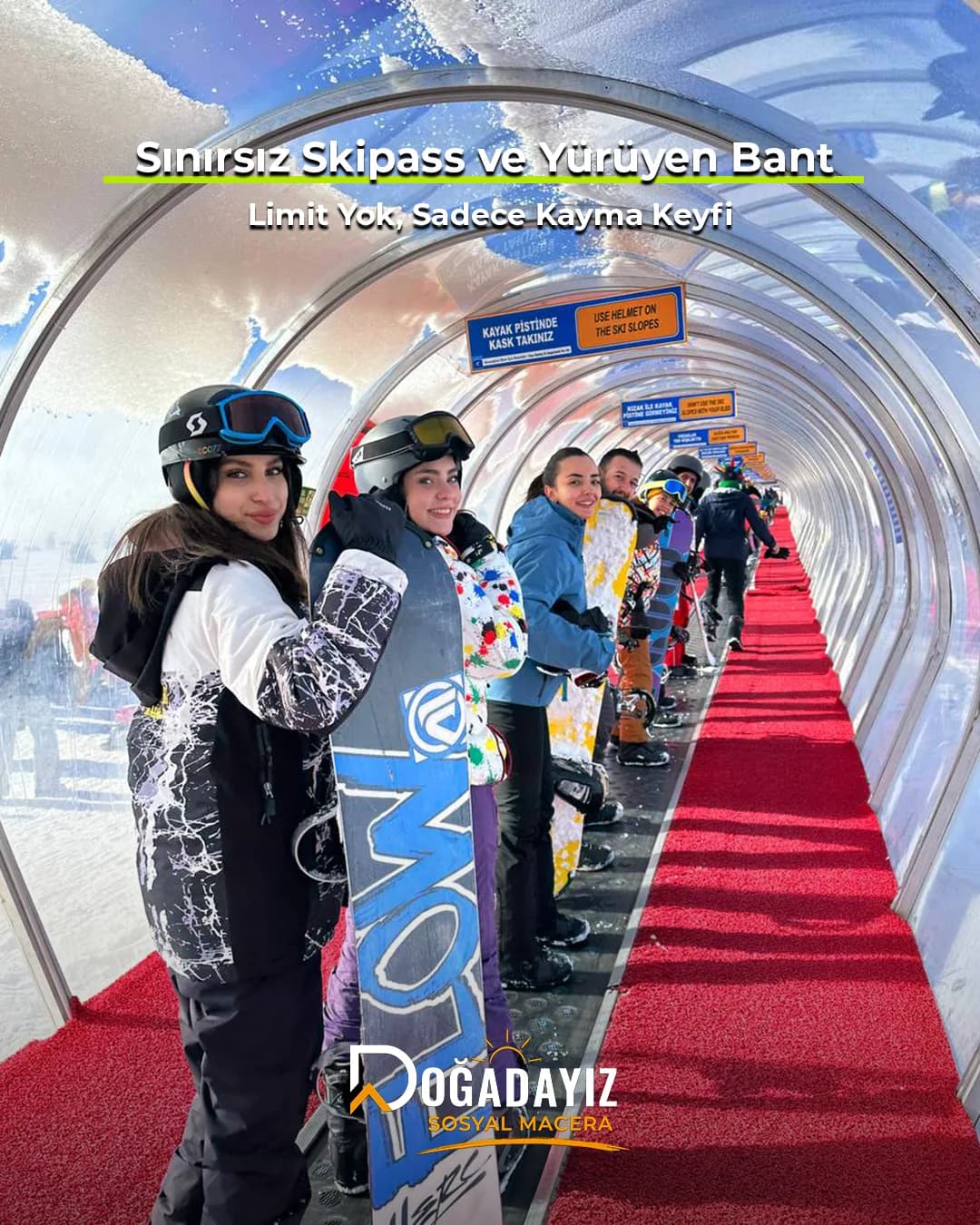
According to a meta-analysis published in Canada that pooled 12 observational studies (CMAJ, 2010), skiers and snowboarders who wore helmets were about 35% less likely to suffer a head injury; helmets did not increase the risk of neck injury. According to a review on children, helmets reduce head, neck and face injuries in under-13s. Helmets are mandatory in Erciyes. A helmet does not prevent every accident, but in a serious fall it is your most important protection.
Certification: EN 1077 and ASTM F2040
Standard
Where?
What does it test?
EN 1077
Europe
Construction including field of vision, shock absorption, penetration resistance, chin strap (retention system), marking
ASTM F2040
USA
Impact in hot, cold and wet conditions; different test surfaces; roll-off (positional stability) test
EN 1077 has two classes: class A covers the ears and has a stricter penetration test; class B is designed for more ventilation and better hearing. The label inside the helmet should state the standard and the class. A bike helmet is not designed for skiing; wear a ski helmet on the slopes.
MIPS and protection against rotational motion
Some helmets have systems such as MIPS that aim to reduce rotational motion. According to MIPS, the system is a low-friction layer inside the helmet that can move slightly, helping to reduce the rotational motion transmitted to the head in angled impacts. In an independent laboratory study (Annals of Biomedical Engineering, 2021), snow sport helmets with MIPS significantly reduced rotational acceleration; the estimated peak probability of concussion was calculated at 89% for the standard helmet and 67% for the MIPS helmet. These results are based on laboratory tests; data showing the effect in real accidents is limited.
The right size and fit
According to Smith's helmet guide:
Measure: Measure your head circumference about 2.5 cm above your eyebrows and check the brand's size chart.
Snug but not painful: The helmet should wrap your head on all sides without creating pressure points.
Shake your head: The helmet should stay in place, not slide forwards, backwards or sideways.
Chin strap: Two fingers should fit under the strap.
Try it with your goggles: There should be no gap between the helmet and the goggles.
Do not wear a thick beanie under your helmet; it spoils the fit. If needed, a thin beanie or a balaclava is enough.
When should you replace it?
After a serious impact: According to Smith, the helmet should be replaced even if there is no visible damage; damage to the shock-absorbing foam inside may not be visible from the outside.
With age: Manufacturers' recommendations differ; with active use, replacement every 3–5 years is generally recommended. Check the manufacturer's instructions for your own helmet.
Rental helmet: At the rental shop, check that the helmet is not cracked or damaged and adjust the size correctly.
Helmets and your activity holiday
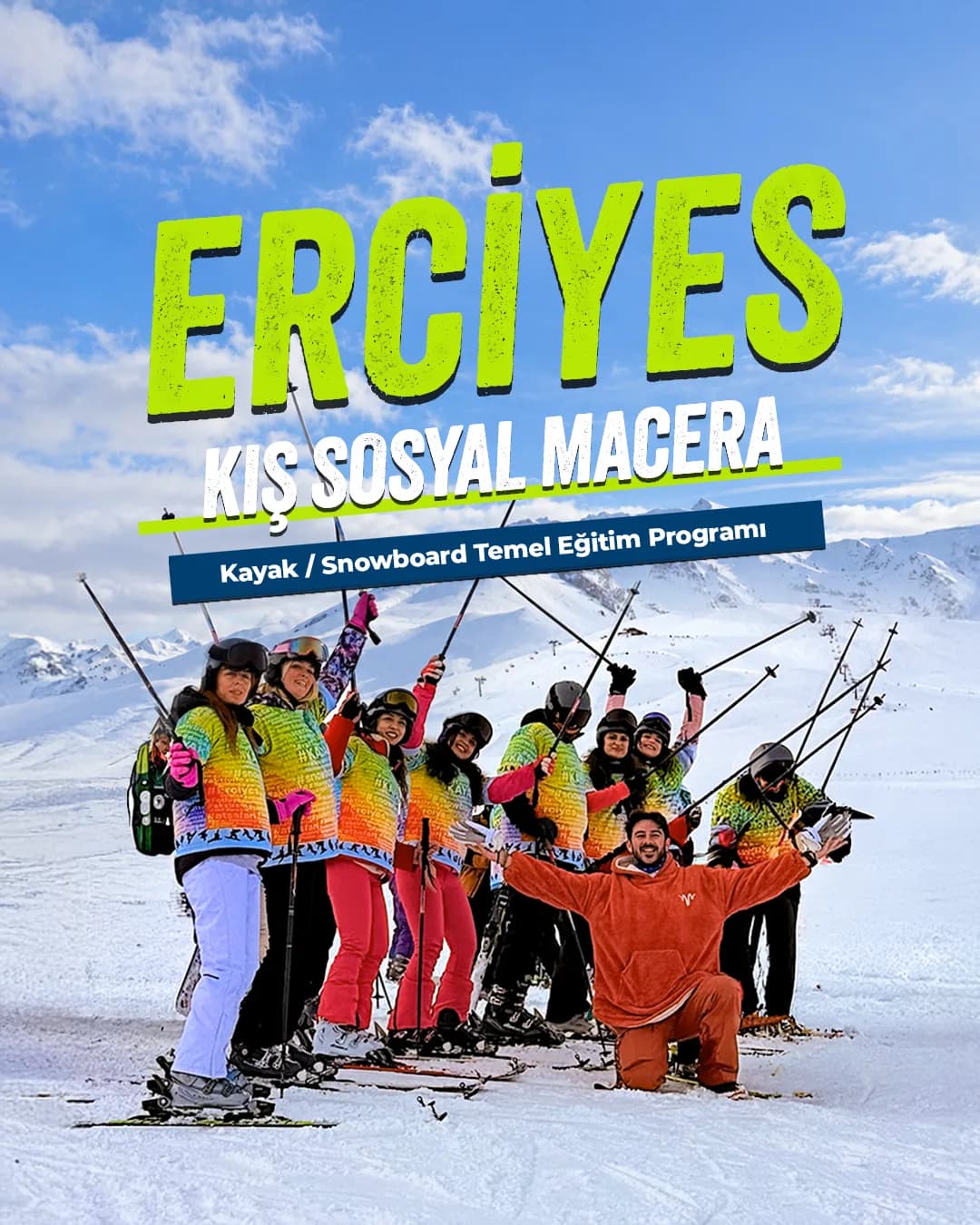
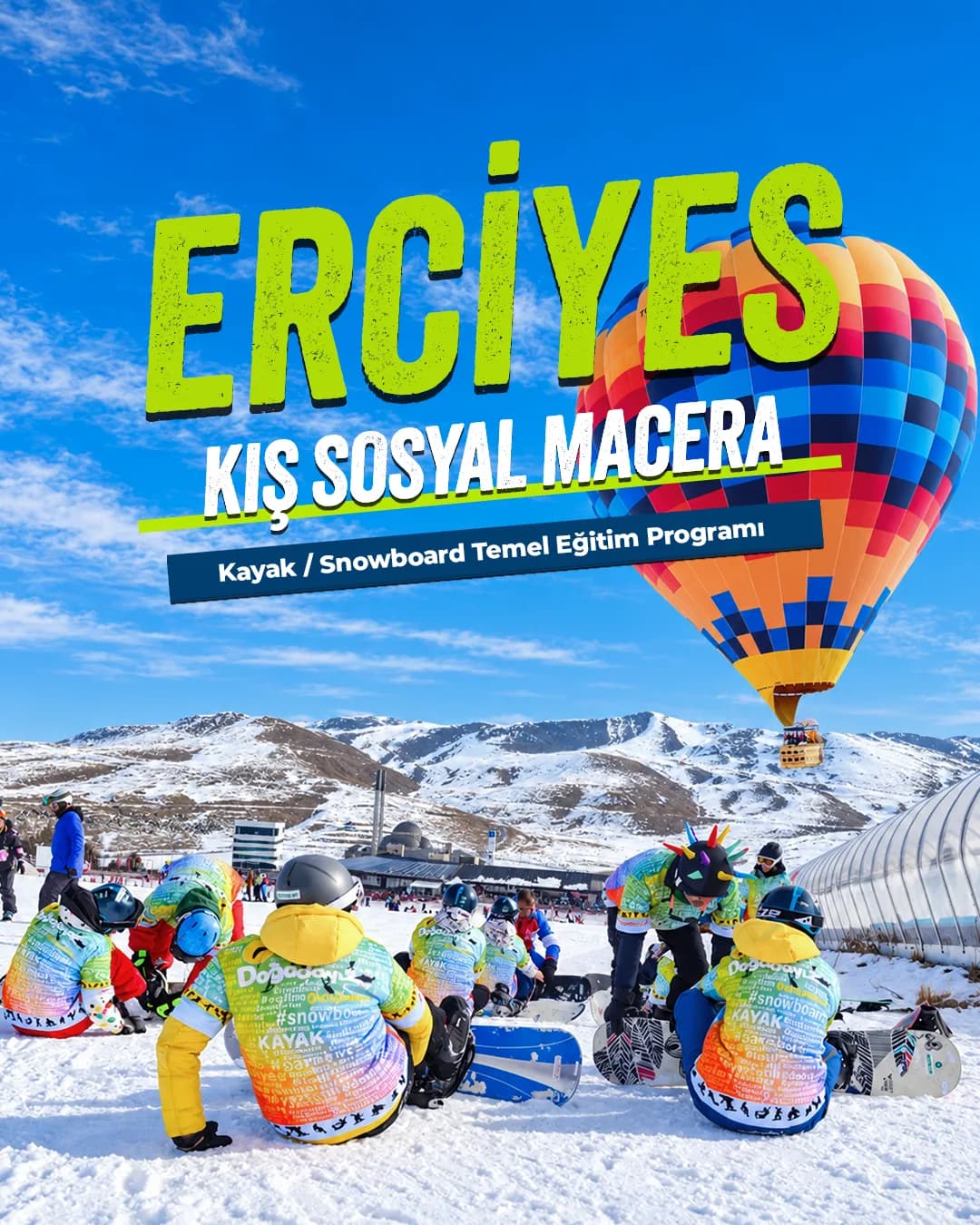
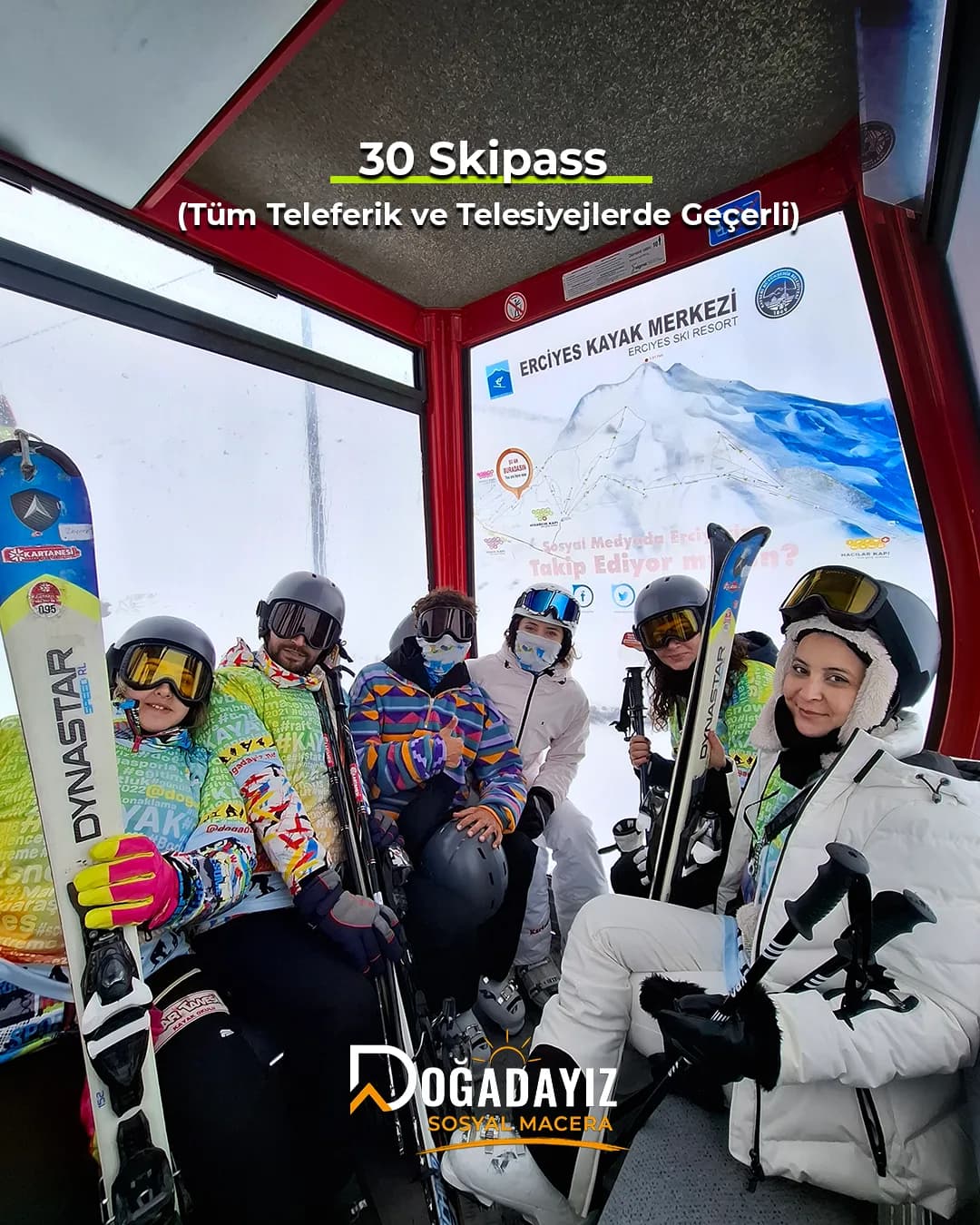
On Doğadayız Erciyes (basic course and experience) and Sarıkamış packages, the helmet and goggles are included; on the Bansko programme, helmets are rented separately. If you want to bring your own helmet, check its certification and goggle compatibility. On an activity holiday, safety equipment and rules are planned from the start; for the rules to follow on the slopes, see our guide to the FIS 10 rules for conduct on the slopes. Learning with people at the same level turns the programme into a social adventure holiday. For choosing goggles, see our guide Choosing Ski Goggles.
Doğadayız Packages
Doğadayız packages for your level
Winter activity holidays with accommodation, ski pass and equipment included, shared with a group.
The easiest way to learn to ski: a winter activity holiday
An activity holiday puts a sport at the heart of your trip: transport, accommodation and meals are planned, so you can focus on learning on the slopes. On Doğadayız winter activity holidays, accommodation, ski pass and ski or snowboard equipment are included in every package; course packages include basic lessons with instructors affiliated with the Turkish Ski Federation, while experience packages let you practise on the slopes at your own level.
What makes the programme different is the group: sharing the slopes with people at a similar level, dinners and nights out together, and a group leader by your side at all times. Solo travellers become part of this social adventure holiday from day one. That is why we describe our programmes as a social adventure holiday.
Helmets are mandatory in Erciyes and strongly recommended at other resorts. According to a meta-analysis of 12 studies, helmet wearers are about 35% less likely to suffer a head injury.
What is EN 1077?
It is the European standard for ski and snowboard helmets. It tests construction including field of vision, shock absorption, penetration resistance and the chin strap. Class A covers the ears and has a stricter penetration test; class B offers more ventilation and better hearing.
How should a ski helmet fit?
Snugly but without hurting. When you shake your head the helmet should stay in place, two fingers should fit under the chin strap, and there should be no gap between the helmet and your goggles.
Do I need a MIPS helmet?
It is not essential, but it is an extra layer of protection. MIPS is a system designed to reduce the rotational motion transmitted to the head in angled impacts. Laboratory studies show it reduces rotational acceleration; data on its effect in real accidents is limited.
Ski goggles protect your eyes from wind, snow and reflected sunlight. According to the World Health Organization, fresh snow reflects up to 80% of UV radiation, and the UV level rises by about 10% with every 1,000 metres; so if you do not protect your eyes in the mountains, there is a risk of snow blindness. When choosing a lens, look at the filter category: categories 0–1 (clear lens) are for overcast and foggy weather, category 2 for changeable weather and category 3 for sunny weather; category 4 is for very intense light and is not suitable for driving. Goggles should fit your helmet without leaving a gap. The international standard for ski and snowboard goggles is ISO 18527-1.
The FIS 10 rules for conduct are the rules of behaviour set by the International Ski Federation for skiers and snowboarders: respect for others, control of speed, choice of route, overtaking, entering the piste, stopping, climbing and descending on foot, respecting signs, assistance and identification. They are not law; however, around the world they are used as a benchmark when assessing liability in skiing accidents.
Children can usually start learning to ski at age 3–4, and snowboarding from age 4. France’s ski school ESF offers a play-based club for ages 3–5, and schools in Switzerland run group lessons from age 3; according to Burton, snowboard schools usually start at age 4. The operator’s children’s school in Bansko is for ages 4–7. At these ages, lessons progress through play and in short sessions. For safety, a helmet is essential: research shows that helmets reduce head, neck and face injuries in children under 13. In Erciyes, children cannot ride the lifts without an adult.