Choosing Ski Goggles: Lens Category (VLT), UV Protection and Fit
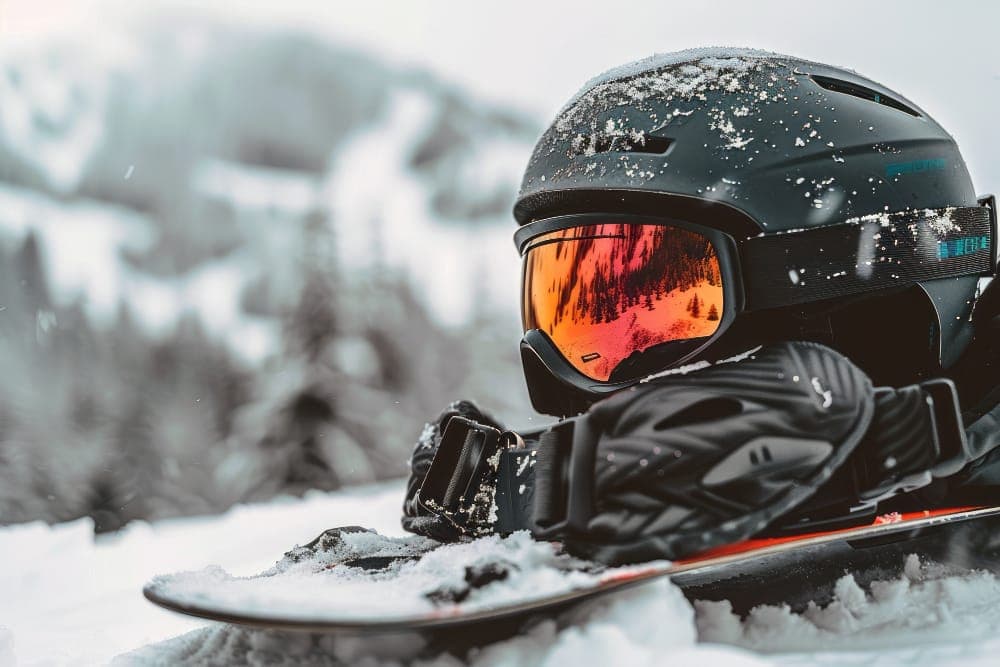
Ski goggles protect your eyes from wind, snow and reflected sunlight. According to the World Health Organization, fresh snow reflects up to 80% of UV radiation, and the UV level rises by about 10% with every 1,000 metres; so if you do not protect your eyes in the mountains, there is a risk of snow blindness. When choosing a lens, look at the filter category: categories 0–1 (clear lens) are for overcast and foggy weather, category 2 for changeable weather and category 3 for sunny weather; category 4 is for very intense light and is not suitable for driving. Goggles should fit your helmet without leaving a gap. The international standard for ski and snowboard goggles is ISO 18527-1.
According to the World Health Organization (WHO), fresh snow can reflect up to 80% of incoming UV radiation and almost doubles a person's UV exposure; in addition, the UV level rises by about 10% with every 1,000 metres of altitude. At resorts where the ski area lies at 2,000–3,000 metres, this means noticeably more intense UV than at sea level. The WHO notes that snow blindness is a condition that affects skiers and mountaineers. That is why ski goggles are needed not just for wind and snow but also for eye health. UV rays reach the ground in cloudy weather too; an overcast day is no reason to ski without goggles.
The standard: ISO 18527-1
The international standard for ski and snowboard goggles is ISO 18527-1:2021. It sets out material, performance and marking requirements for the protection that ski and snowboard goggles with non-prescription lenses provide against UV and visible solar radiation, rain, snow and wind; it also covers models with prescription inserts. The standard does not cover looking directly at the sun or artificial UV sources such as sunbeds. When buying goggles, check the product's mark of conformity with this standard and the UV protection information.
Lens filter categories (S0–S4)
Manufacturers of sunglasses and ski goggles divide lenses into five categories according to the proportion of visible light they let through (VLT). The table from the UK College of Optometrists, based on the ISO 12312-1 standard:
Category
Visible light transmission
Use for skiing
0
80–100%
Night skiing, very overcast weather
1
43–80%
Overcast, foggy, snowy weather
2
18–43%
Changeable weather, partly cloudy
3
8–18%
Sunny weather
4
3–8%
Very intense light (glacier, high altitude); not suitable for driving
Ski goggle manufacturers usually label the same bands as S0–S4. On a holiday in Türkiye with both sunny and overcast days, category 2 is a versatile place to start; a category 3 lens for sunny days and a category 1 lens for overcast and foggy days can be kept as spares.
Photochromic and interchangeable lenses
Photochromic lens: Darkens and lightens by itself depending on the light; manufacturers usually give a range such as "category 1–3". One pair of goggles adapts to changeable weather.
Interchangeable lens: You can change the lens during the day or depending on the day; you need to carry a spare lens with you.
Colour: Lens colour (orange, rose, grey…) affects contrast perception; the category determines how much light gets through. When buying, check that the category is stated, not just the colour.
Fit: helmet and face
Goggles should sit against your helmet without leaving a gap; a strip of exposed forehead causes both cold and sunburn. It is best to try your helmet and goggles on together.
The foam should press evenly on your face and not squeeze the sides of your nose.
If you wear prescription glasses, look at over-the-glasses (OTG) models or models with prescription inserts.
Preventing fogging
Do not put your goggles on your forehead or on top of your helmet; body heat and sweat fog up the inner surface.
Do not wipe the inner surface; the anti-fog coating can be damaged.
During breaks, keep your goggles in a dry, airy place.
Do not forget sunscreen either
Goggles protect your eyes but not your face. At high altitude and on snow, use high-factor sunscreen and lip balm; for the full clothing list, see our guide What to Wear Skiing and Snowboarding.
Goggles and your activity holiday
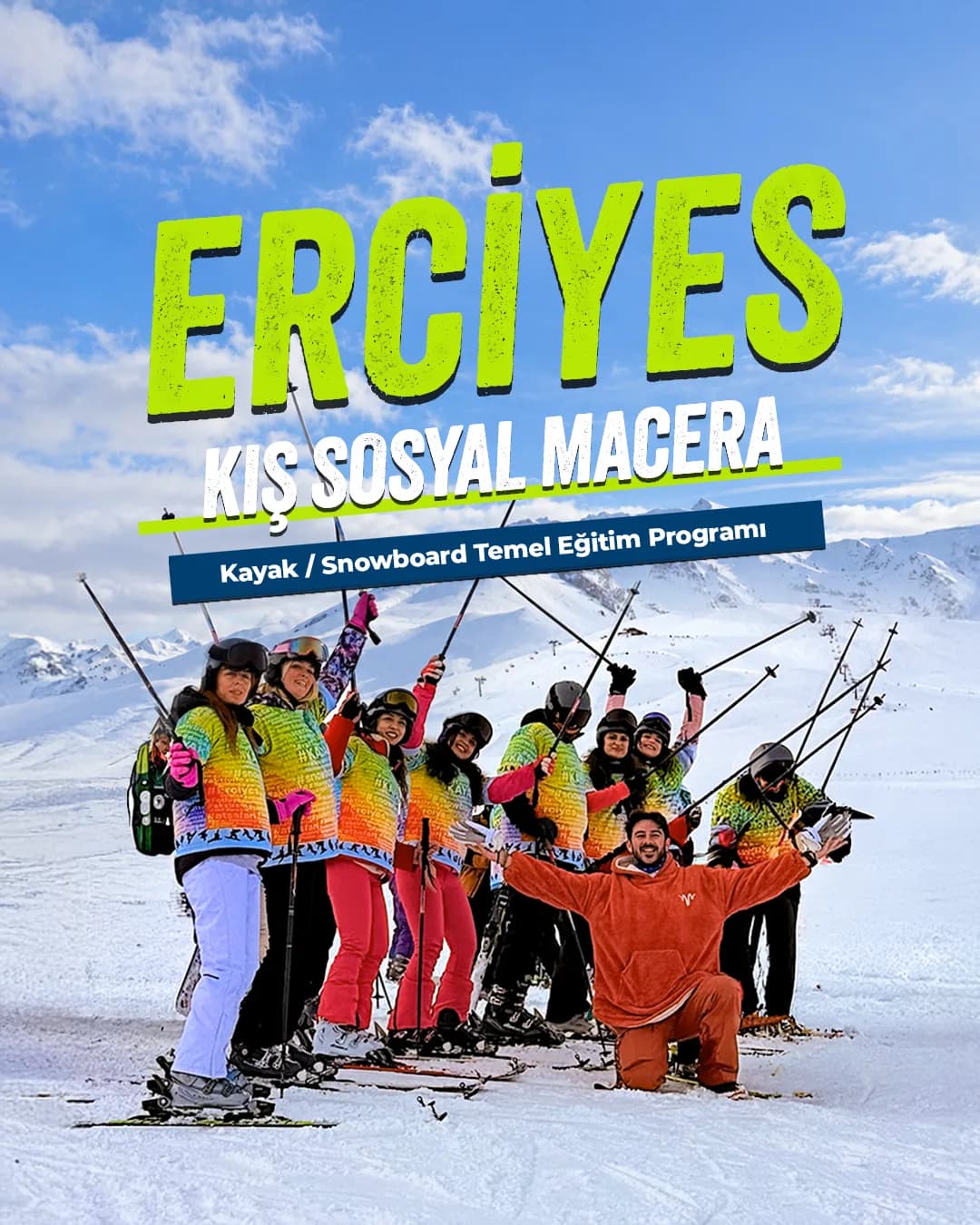
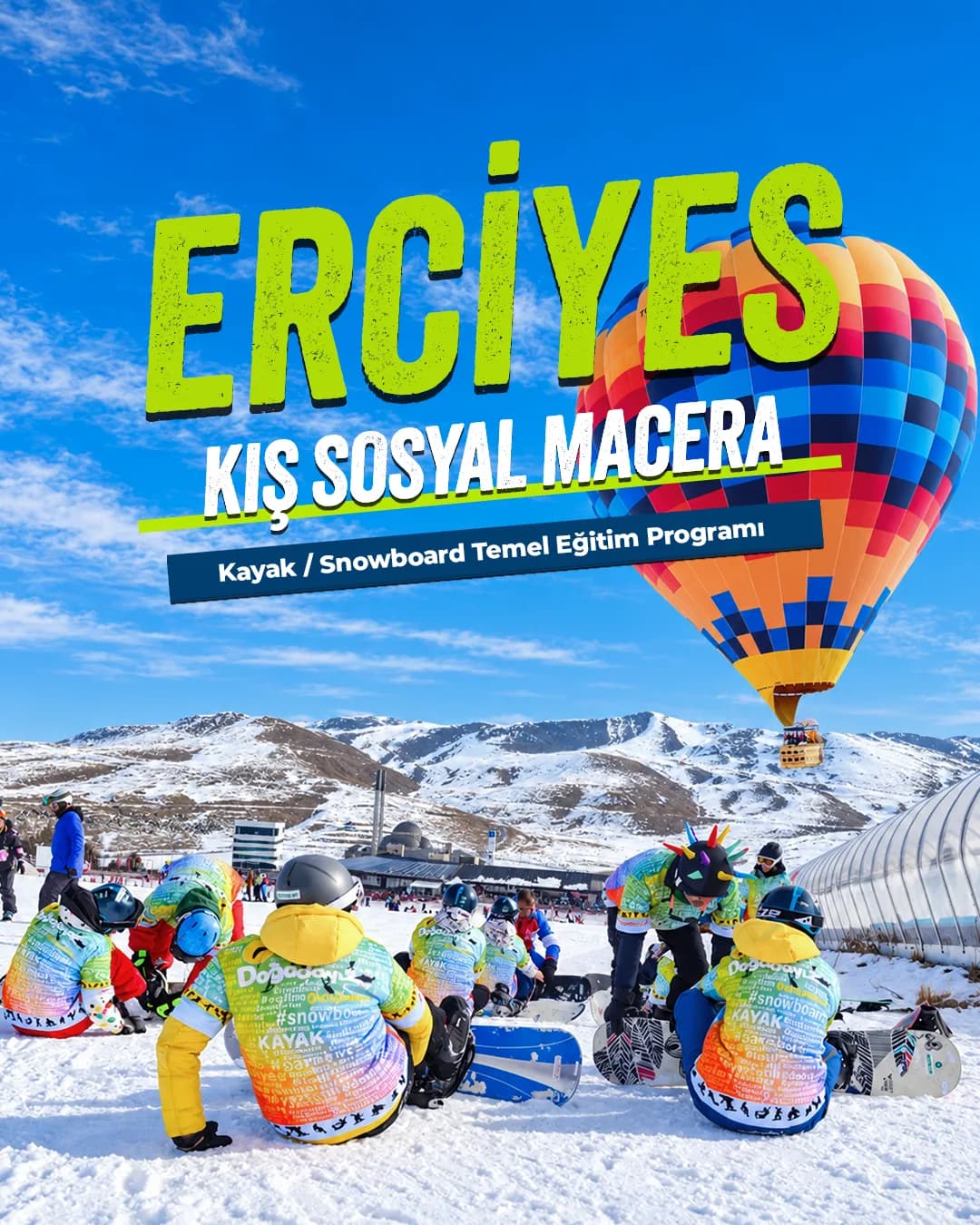
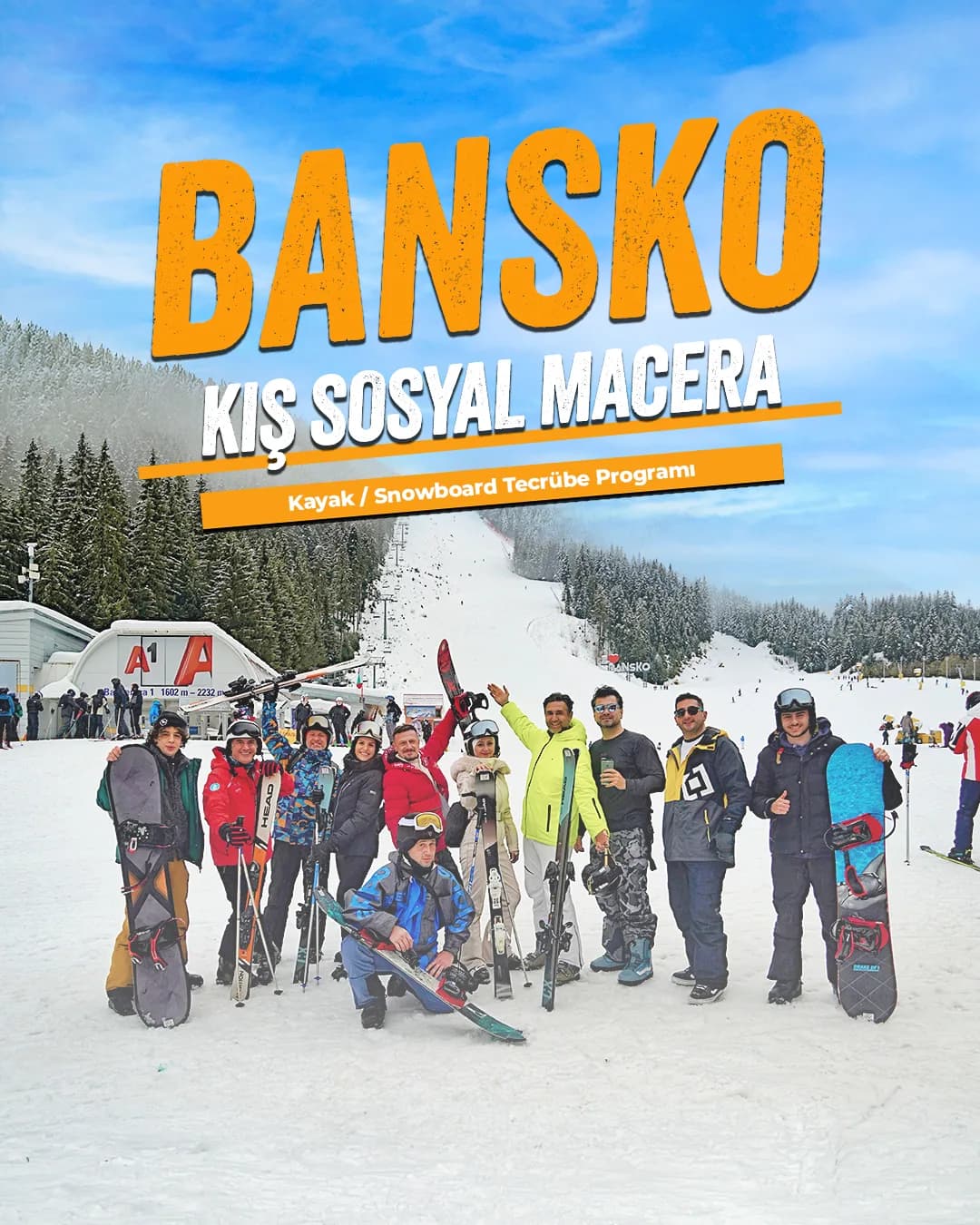
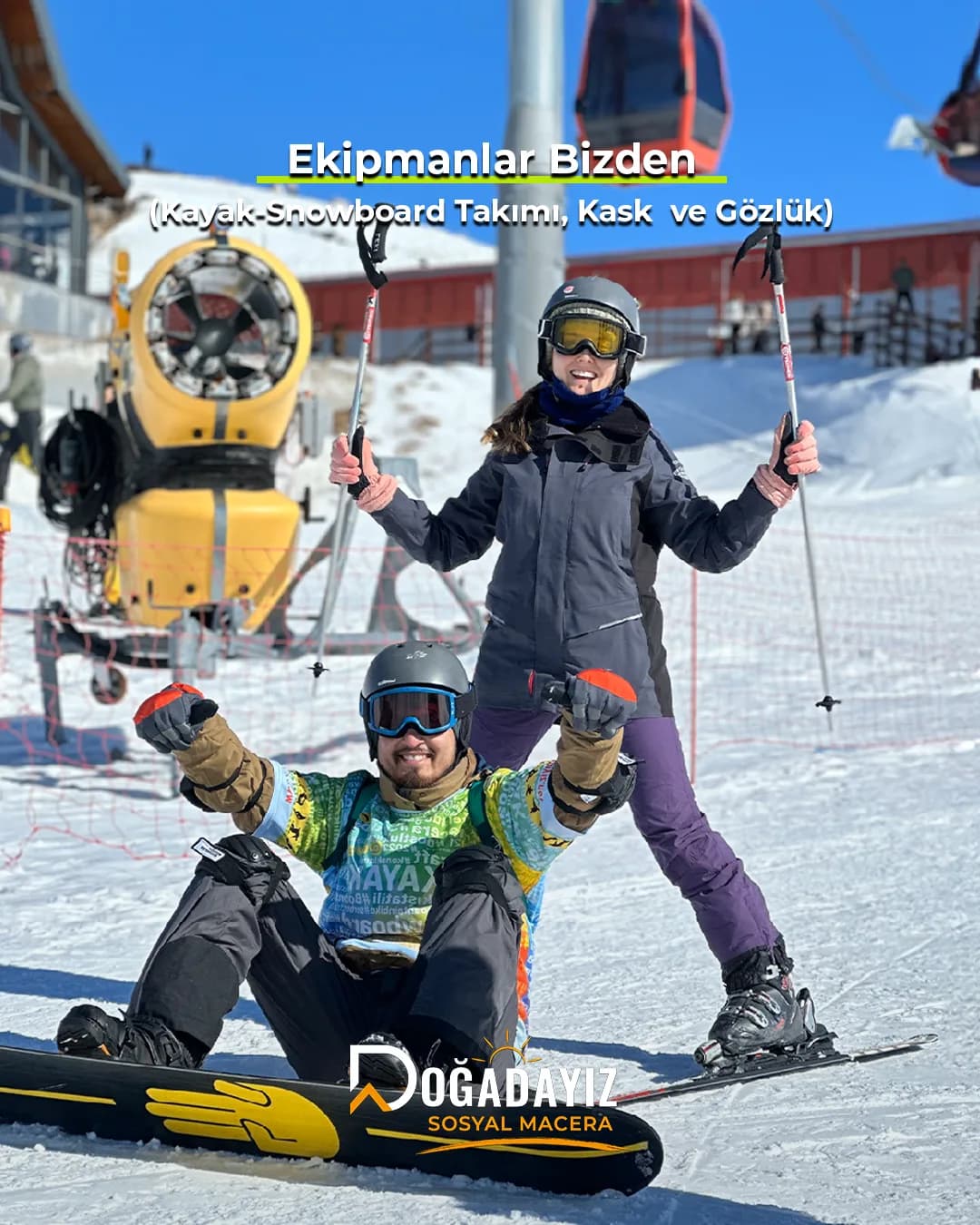
On Doğadayız Erciyes (basic course and experience) and Sarıkamış packages, goggles and a helmet are included; on the Bansko programme, the helmet and goggles are rented separately. If you want to bring your own goggles, check that they fit your helmet before you set off. On an activity holiday, equipment details are planned in advance; and the days spent with the group turn the programme into a social adventure holiday. For choosing a helmet, see our guide Choosing a Ski Helmet.
Doğadayız Packages
Doğadayız packages for your level
Winter activity holidays with accommodation, ski pass and equipment included, shared with a group.
The easiest way to learn to ski: a winter activity holiday
An activity holiday puts a sport at the heart of your trip: transport, accommodation and meals are planned, so you can focus on learning on the slopes. On Doğadayız winter activity holidays, accommodation, ski pass and ski or snowboard equipment are included in every package; course packages include basic lessons with instructors affiliated with the Turkish Ski Federation, while experience packages let you practise on the slopes at your own level.
What makes the programme different is the group: sharing the slopes with people at a similar level, dinners and nights out together, and a group leader by your side at all times. Solo travellers become part of this social adventure holiday from day one. That is why we describe our programmes as a social adventure holiday.
How do you choose the lens category for ski goggles?
According to the weather: categories 0–1 (clear lens) are for overcast and foggy weather, category 2 for changeable weather and category 3 for sunny weather. Category 4 is for very intense light and is not suitable for driving. For a ski holiday in Türkiye, category 2 is a versatile place to start.
What does VLT mean?
VLT (visible light transmission) is the proportion of visible light a lens lets through. If the VLT is high, the lens is light and suitable for overcast weather; if the VLT is low, the lens is dark and suitable for sunny weather.
Are sunglasses enough for skiing?
They may be enough for a short time in sunny, calm weather, but ski goggles protect better against wind, snow and falls and fit with your helmet. According to the WHO, fresh snow reflects up to 80% of UV radiation, so eye protection is important.
Why do ski goggles fog up?
Usually because of body heat and sweat: putting your goggles on your forehead or wiping the inner surface makes fogging worse. Keep your goggles on your face or in a dry place, and do not wipe the inner surface.
When choosing a ski helmet, check three things: certification, fit and goggle compatibility. In Europe the standard for ski and snowboard helmets is EN 1077 (class A covers the ears and has a stricter penetration test; class B offers more ventilation and better hearing); in the USA it is ASTM F2040. The helmet should fit snugly but without hurting, stay put when you shake your head, and leave room for two fingers under the chin strap. According to a meta-analysis of 12 studies, helmet wearers are about 35% less likely to suffer a head injury, and neck injuries do not increase. After a serious impact, a helmet should be replaced even if there is no visible damage.
For skiing and snowboarding you wear three layers: a synthetic or wool base layer that wicks sweat away, a fleece mid-layer that holds in warmth, and a ski jacket and trousers that keep out wind and water. Add a single pair of thin ski socks, waterproof gloves, a neck gaiter, a helmet and goggles. Do not wear cotton: it gets soaked with sweat and makes you cold.
For a beginner, the right approach is to rent in your first season. According to Burton, while you are learning you should prioritise lessons over new equipment, rent your gear and invest once you have learned the basics. When you decide to buy, the usual order is: first personal items (helmet, goggles, gloves, socks), then boots that fit your feet perfectly, and skis or a snowboard last. The main risk with rental equipment is a poor setting: for short-term rentals, the binding should be set by a technician according to ISO 13993. On a winter activity holiday package, equipment is usually already included.