What to Do If There Is an Accident on the Slopes: Calling for Help and Securing the Scene
If there is an accident on the slopes, first secure the scene: plant your skis crossed about 10 metres above the injured person (lay a snowboard down with the bindings facing down) so that people coming from above can see you. Then call for help: in Türkiye, call 112 for all emergencies, or alert the nearest lift attendant and the ski patrol. If a serious injury is possible, do not move the injured person; keep them warm and stay with them. Under the rules of the International Ski Federation, everyone has a duty to help in an accident, and everyone involved in or witnessing an accident must exchange identification details.
Stop and stay safe: Without putting yourself in danger, stop a little above the accident scene.
Mark the scene: Plant your skis or poles crossed about 10 metres above the injured person; lay a snowboard down with the bindings facing down. People coming from above will see the scene and slow down.
Assess the injured person: Are they conscious, are they breathing, where does it hurt? If a neck or back injury is possible, do not move them.
Call for help: In Türkiye, call 112; if possible, one person should stay with the injured person while another alerts the attendant at the nearest lift station or the ski patrol.
Describe the location clearly: The slope number and colour, the name of the nearest lift, the gate or station. The numbers on the piste map come in handy here.
Keep them warm and stay with them: On cold ground an injured person gets cold quickly; spread your jacket or a blanket under and over them and stay with them until help arrives.
FIS rules: assistance and identification
The last two of the International Ski Federation's (FIS) 10 rules for conduct concern accidents:
Rule 9 – Assistance: In the event of an accident, every skier and snowboarder is obliged to help.
Rule 10 – Identification: Everyone involved in or witnessing an accident, whether responsible or not, must exchange names and addresses after the accident.
According to the FIS commentary, first aid should be given immediately, the authorities should be alerted and the accident scene should be marked to warn other skiers. For all the rules, see our guide The FIS 10 Rules for Conduct on the Slopes.
Who helps in Türkiye?
112: Since June 2021, the police, gendarmerie, fire brigade, ambulance and other emergency numbers have been combined under 112 in all 81 provinces of Türkiye. In an accident at a ski resort, too, 112 can be called first.
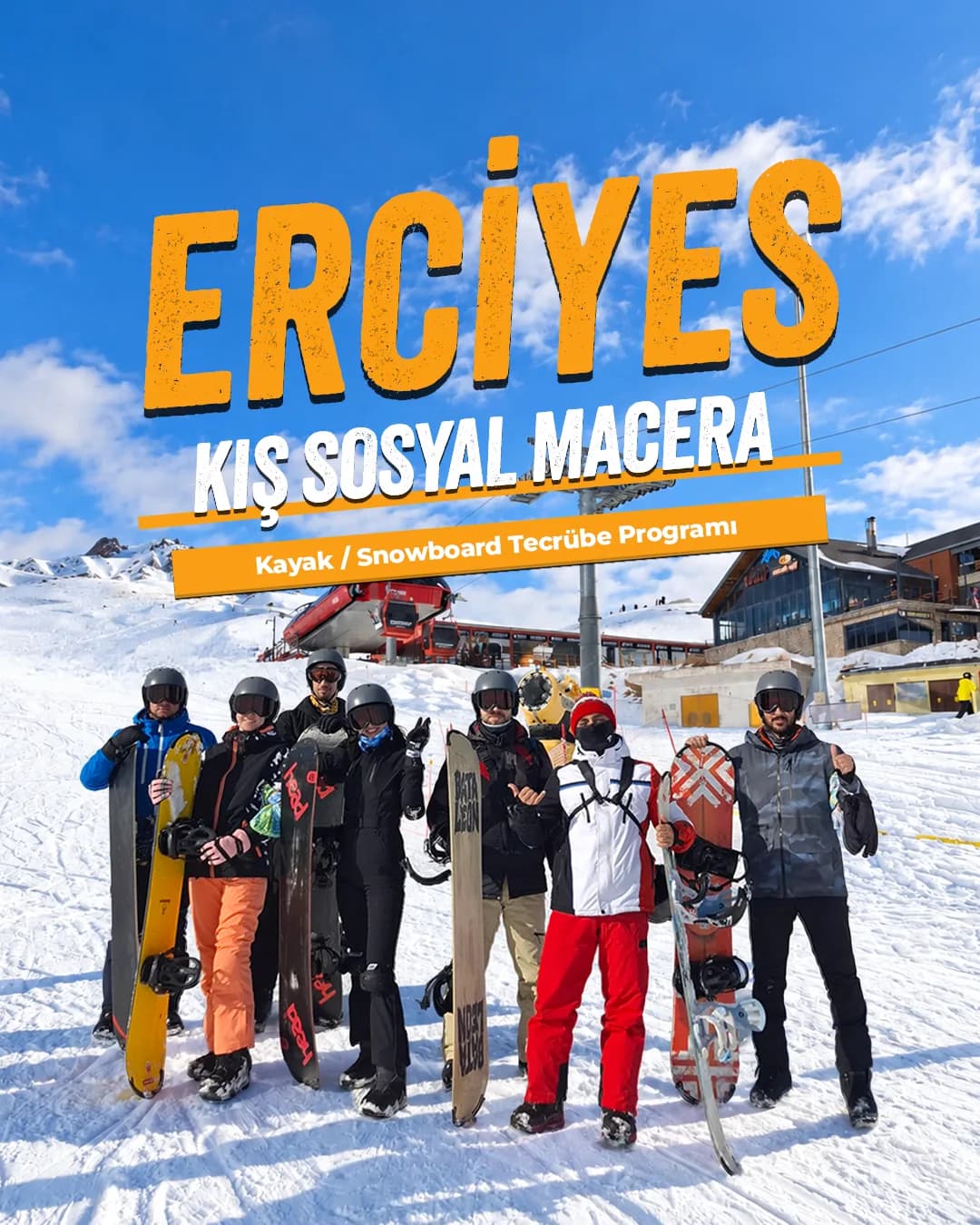
Gendarmerie Search and Rescue (Jandarma Arama Kurtarma, JAK): JAK teams are on duty at the large ski resorts. According to Anadolu Agency, JAK teams at Erciyes respond to about 700 incidents a year; they reach the scene by snowmobile, give first aid and hand the injured person over to 112. At Palandöken, the JAK station is at 2,242 metres; patrols are carried out on skis, on motorised vehicles and with dogs, and drones are used to fine people who enter areas closed because of avalanches and people not wearing a helmet.
The resort's teams: According to Erciyes A.Ş., a 25-person slope team at the resort takes injured people to the medical station and works together with JAK and 112; under the resort's general rules, first aid from the patrol and the medical team is free of charge.
In Bansko (Bulgaria)
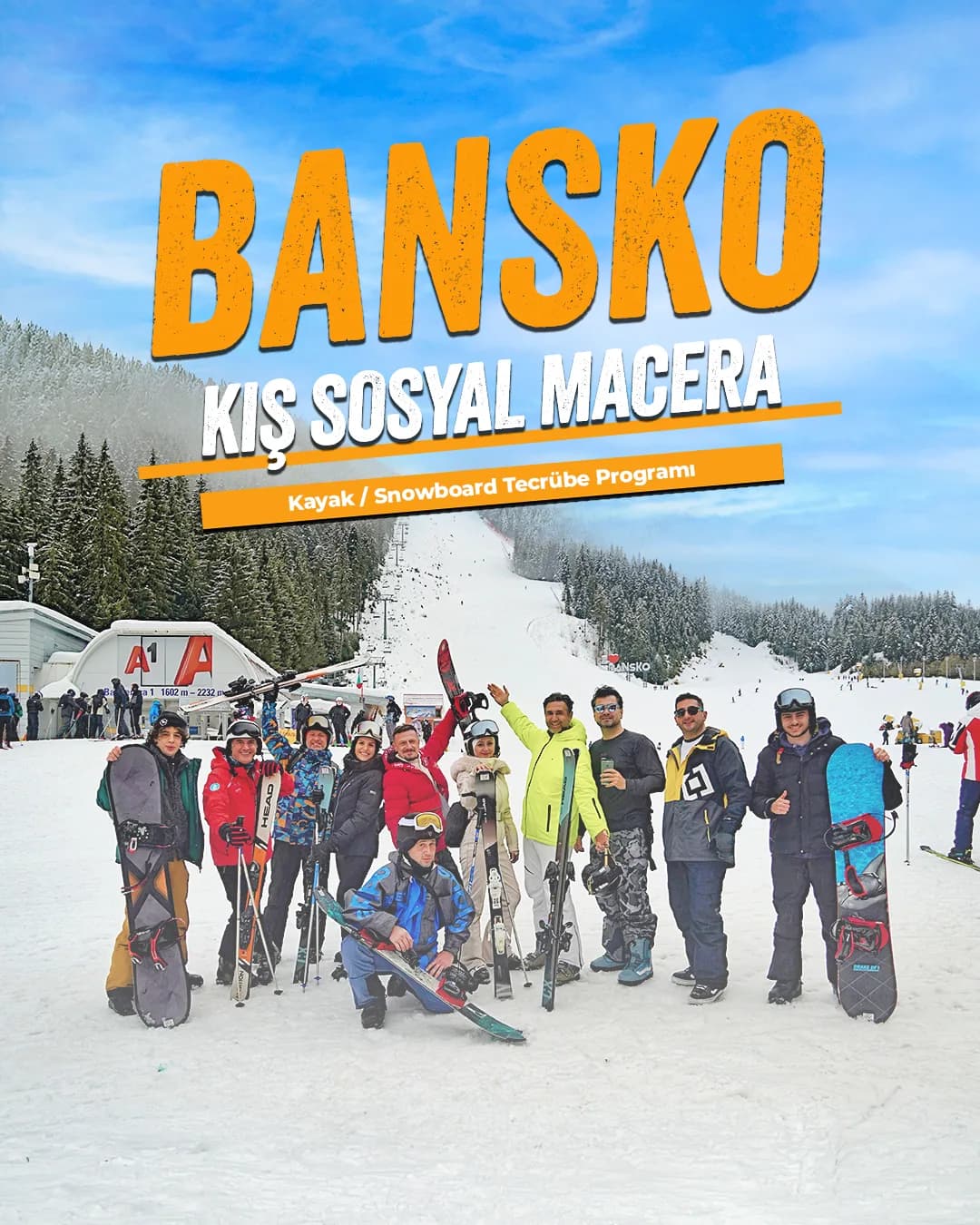
In Bulgaria, too, the general emergency number is 112. The Mountain Rescue Service (PSS), part of the Bulgarian Red Cross, announced on 26 August 2026 that it had closed its short number 1470; 112 works better in areas with a weak signal. To reach PSS, you can call 112 and ask to be connected to mountain rescue; the service's other numbers are 02 963 2000, 0887 100 237 and 0887 100 238. Older travel guides may still list 1470; it is no longer valid.
When should you not move an injured person?
If a neck, back or head injury is possible (e.g. a high-speed impact, loss of consciousness, drowsiness).
If there is a visible deformity in a leg or arm.
If the injured person feels severe pain when moving.
In these cases, keep the injured person still and warm where they are; leave transport to the slope team and the medical staff. This is why marking the scene is so important when it is in the middle of the slope.
After the accident
Exchanging details: Take and give the names and contact details of everyone involved (FIS rule 10).
Witnesses: Note down the details of anyone who saw the accident.
Insurance: If you have insurance, keep the accident report and medical documents; we explain what ski cover includes in our guide Travel Insurance for a Ski Holiday.
Preventing accidents
Most accidents can be prevented: wear a helmet (mandatory at Erciyes), ski on slopes that suit your level, control your speed, stop when you get tired and do not go off-piste. We explain the lift rules in our guide How to Use Chairlifts, Drag Lifts and Gondolas.
Skiing as a group
On an activity holiday, skiing as a group also has safety benefits: when something goes wrong, there is someone with you, and the group leader manages meeting points and communication. Every group on Doğadayız winter programmes has a group leader; that is also why each of our programmes is a social adventure holiday. Don't forget to save your group leader's number in your phone.
Doğadayız Packages
Doğadayız packages for your level
Winter activity holidays with accommodation, ski pass and equipment included, shared with a group.
The easiest way to learn to ski: a winter activity holiday
An activity holiday puts a sport at the heart of your trip: transport, accommodation and meals are planned, so you can focus on learning on the slopes. On Doğadayız winter activity holidays, accommodation, ski pass and ski or snowboard equipment are included in every package; course packages include basic lessons with instructors affiliated with the Turkish Ski Federation, while experience packages let you practise on the slopes at your own level.
What makes the programme different is the group: sharing the slopes with people at a similar level, dinners and nights out together, and a group leader by your side at all times. Solo travellers become part of this social adventure holiday from day one. That is why we describe our programmes as a social adventure holiday.
Which number should you call if there is an accident on the slopes?
In Türkiye, call 112 for all emergencies. Also alert the nearest lift attendant or the ski patrol. At large resorts such as Erciyes and Palandöken, Gendarmerie Search and Rescue (JAK) teams are also on duty.
How do you mark an accident scene?
Plant skis or poles crossed about 10 metres above the injured person; lay a snowboard down with the bindings facing down. That way, people coming from above can see the scene and slow down.
What should I do if I witness an accident?
Under the FIS rules, everyone has a duty to help in an accident, and witnesses must also give their names and addresses. Mark the scene, call for help and stay with the injured person until the authorities arrive.
What is the mountain rescue number in Bansko?
The general emergency number is 112. The Bulgarian Mountain Rescue Service closed its short number 1470 in August 2026; you can call 112 and ask to be connected to mountain rescue. The service's other numbers are 02 963 2000, 0887 100 237 and 0887 100 238.
The FIS 10 rules for conduct are the rules of behaviour set by the International Ski Federation for skiers and snowboarders: respect for others, control of speed, choice of route, overtaking, entering the piste, stopping, climbing and descending on foot, respecting signs, assistance and identification. They are not law; however, around the world they are used as a benchmark when assessing liability in skiing accidents.
Insurance is not a legal requirement for skiing in Turkey, but it matters: under its general terms, standard personal accident insurance keeps sports on snow and ice excluded unless otherwise agreed, so you need to have skiing or winter sports cover added to your policy. A ski pass does not always include insurance: the Erciyes ski pass offers no insurance cover, whereas in Bansko mountain insurance is included in the ski pass price. Abroad, a Schengen visa requires travel health insurance with cover of at least €30,000. If you are buying a winter activity holiday package, check separately which insurance policies are included.
When choosing a ski helmet, check three things: certification, fit and goggle compatibility. In Europe the standard for ski and snowboard helmets is EN 1077 (class A covers the ears and has a stricter penetration test; class B offers more ventilation and better hearing); in the USA it is ASTM F2040. The helmet should fit snugly but without hurting, stay put when you shake your head, and leave room for two fingers under the chin strap. According to a meta-analysis of 12 studies, helmet wearers are about 35% less likely to suffer a head injury, and neck injuries do not increase. After a serious impact, a helmet should be replaced even if there is no visible damage.