For a beginner, the right approach is to rent in your first season. According to Burton, while you are learning you should prioritise lessons over new equipment, rent your gear and invest once you have learned the basics. When you decide to buy, the usual order is: first personal items (helmet, goggles, gloves, socks), then boots that fit your feet perfectly, and skis or a snowboard last. The main risk with rental equipment is a poor setting: for short-term rentals, the binding should be set by a technician according to ISO 13993. On a winter activity holiday package, equipment is usually already included.
Rent everything; buy personal items (gloves, socks, base layers)
Second season, I am planning a few holidays
Buy a helmet and goggles, think about boots
I ski a lot of days in the season
Buy your own boots; skis or a snowboard depending on your needs
Burton's advice to beginners is clear: while you are learning, prioritise lessons over new equipment, rent a snowboard set and invest in equipment once you have learned the basics. The same logic applies to skiing: in your first season you do not yet know which length, stiffness and style suit you.
The pros of renting
Trying the right equipment: Your level changes quickly; with rental equipment you can switch to gear that matches your level on every holiday.
No carrying: You do not have to take skis and boots on the plane or bus.
No maintenance: Edge sharpening, base care and storage are the shop's job.
Cost: For someone who skis a few days a year, renting is usually cheaper. For example, at the operator's rental shop in Bansko in the 2025–26 season, an adult ski set cost €19 for one day and €94 for 6 days.
The cons of renting, and safety
Setting and maintenance: The main risk with rental equipment is a poor setting. For short-term rentals, the release value of a ski binding is set by a technician according to the ISO 13993 standard, based on weight, height, age, boot sole length and skier type; for your own equipment and for rentals of 15 days or more, ISO 11088 applies. The American Academy of Orthopaedic Surgeons (AAOS) also recommends that boots and bindings be adjusted to standards, well maintained and tested.
What does a study say? In a case-control study (2022), the likelihood of an anterior cruciate ligament injury was found to be higher among people using rental skis; but those renting were also less experienced, lighter and mostly tourists. So this is an association; it does not show that renting on its own causes injury. The real lesson: with rental equipment, give accurate details and have the setting checked.
Comfort: Rental boots may not fit everyone's feet perfectly; try two sizes and say if there is a pressure point.
What to buy, and in what order
Personal items: Gloves, ski socks, base layers and fleece are personal anyway; buy them even in your first season.
Helmet and goggles: For hygiene and a perfect fit, it is good to have your own helmet and goggles. For choosing them, see our guides Choosing a ski helmet and Choosing ski goggles.
If you are travelling with your own equipment, have the binding setting checked at a shop at the start of the season, and find out about ski or snowboard bags and the airline's equipment rules in advance. Having the base and edges serviced before storing your gear for the next season extends its life.
Equipment on an activity holiday
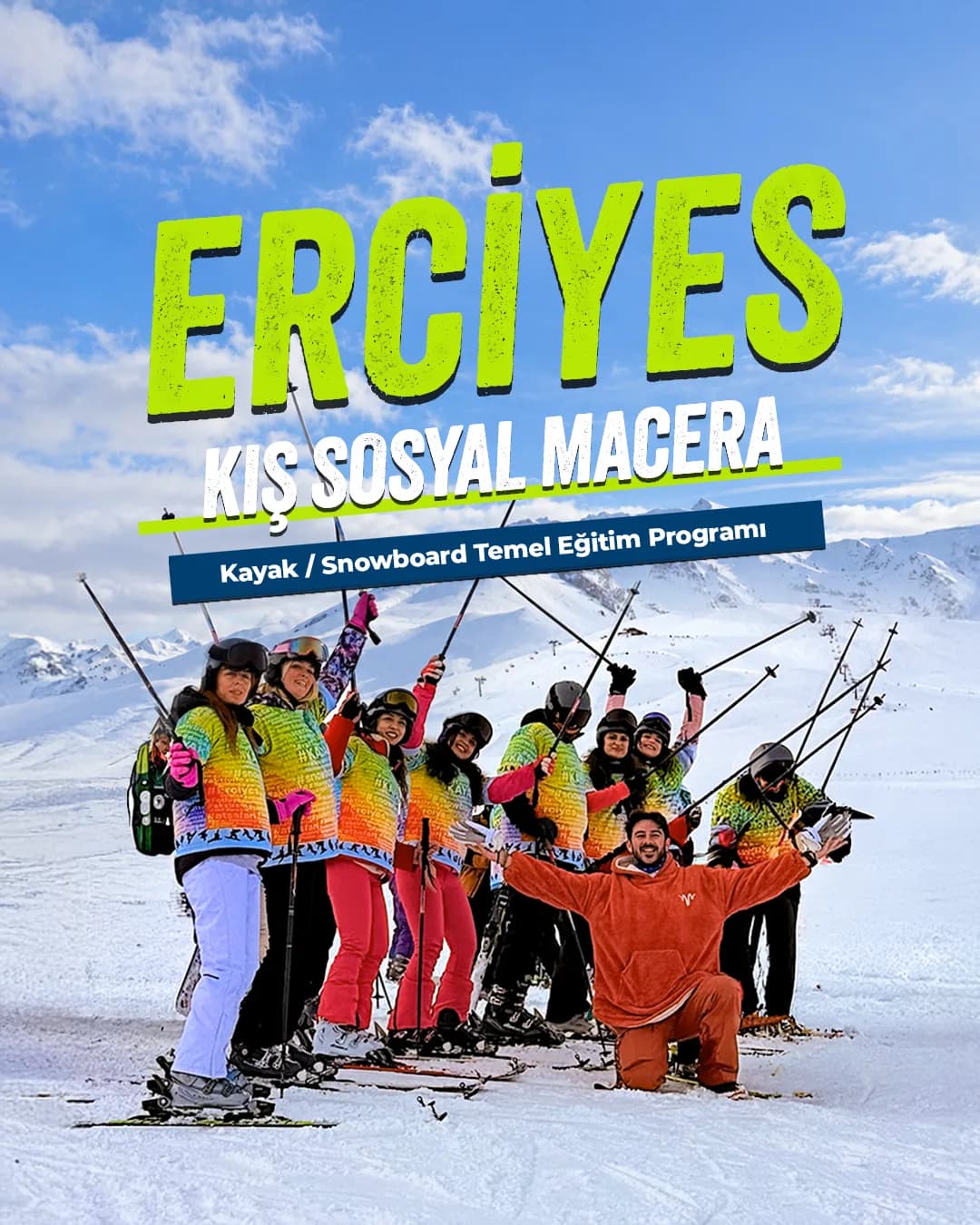
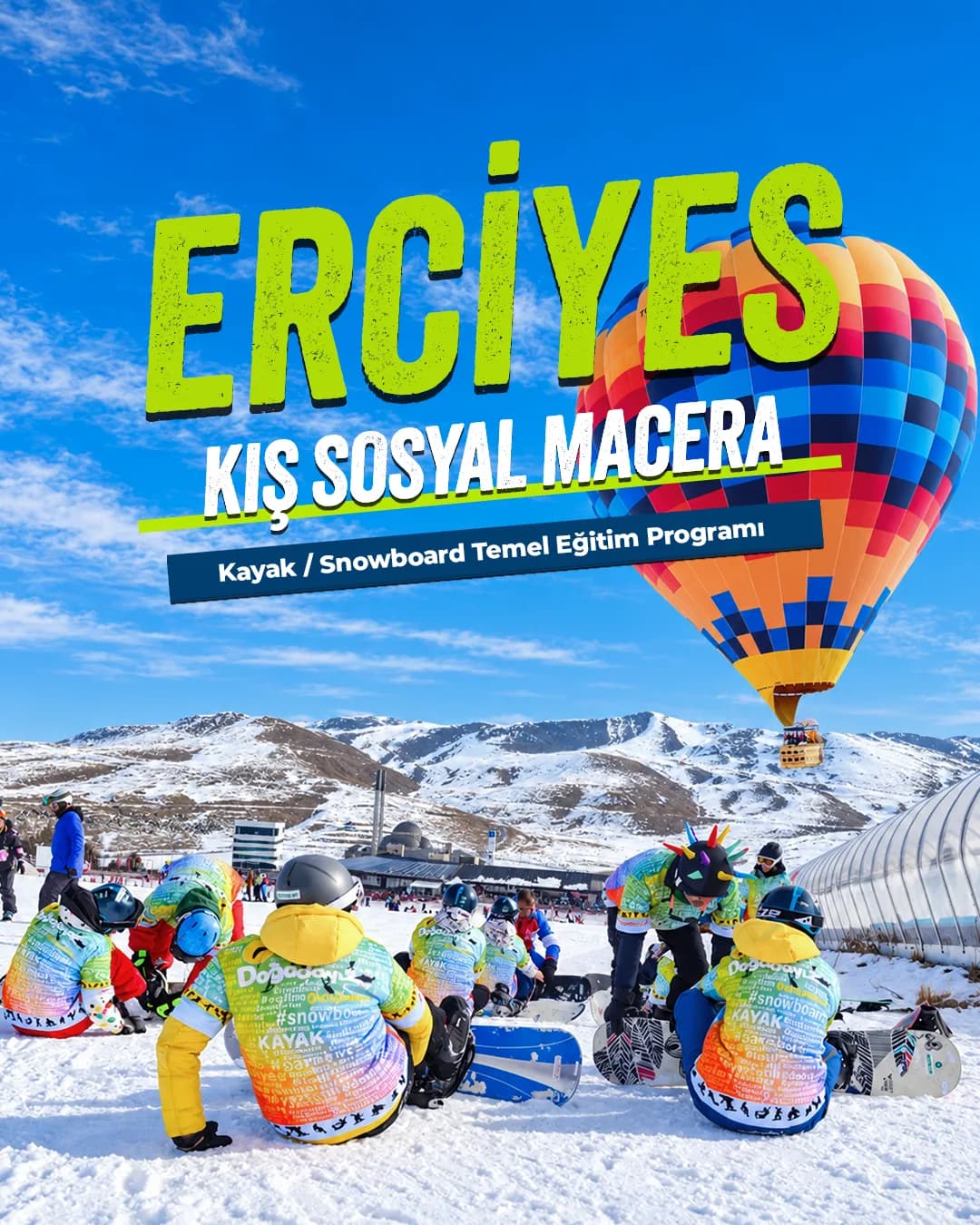
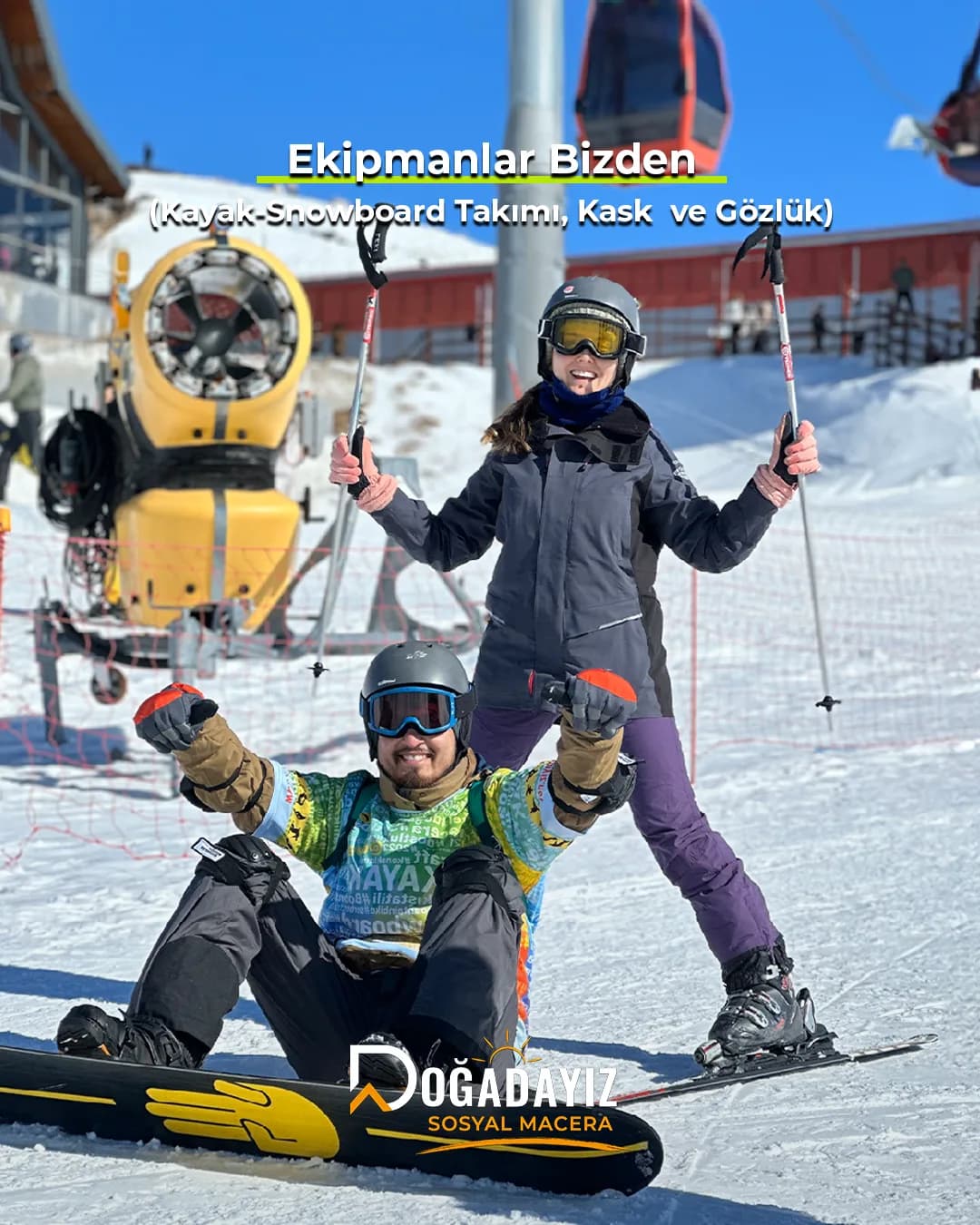
On an activity holiday package, equipment is usually included; this removes the "rent or buy" question for your first holiday. On Doğadayız winter packages, a ski or snowboard set is included in every package; Erciyes basic course packages also include a helmet, goggles and protective gear, and Erciyes and Sarıkamış experience packages include a helmet and goggles. On the Bansko programme, helmets and goggles are rented separately. Jacket, trousers and gloves are personal equipment on every package. Learning with people at the same level turns the programme into a social adventure holiday; for programmes, see the winter activity holidays page.
Doğadayız Packages
Doğadayız packages for your level
Winter activity holidays with accommodation, ski pass and equipment included, shared with a group.
The easiest way to learn to ski: a winter activity holiday
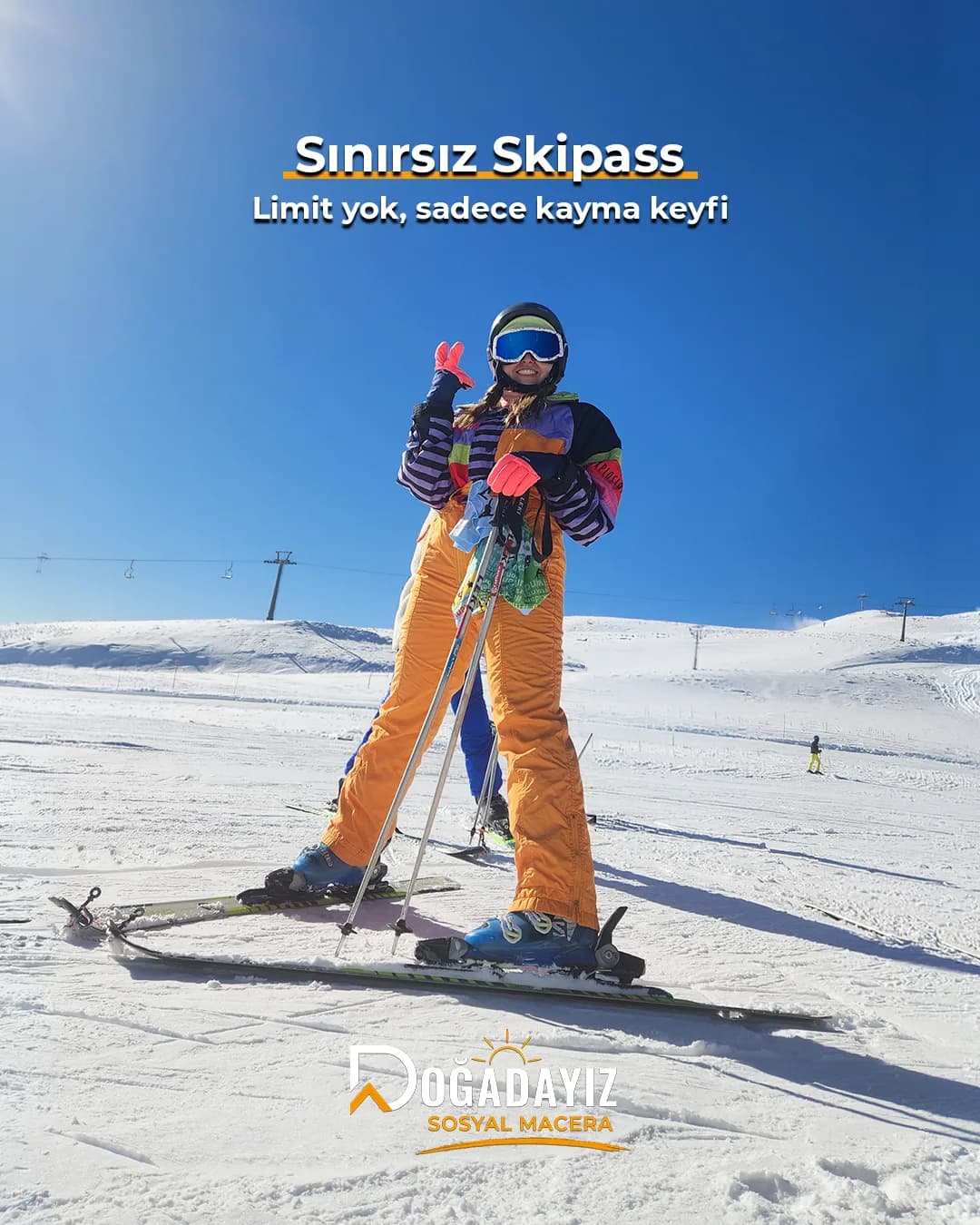
An activity holiday puts a sport at the heart of your trip: transport, accommodation and meals are planned, so you can focus on learning on the slopes. On Doğadayız winter activity holidays, accommodation, ski pass and ski or snowboard equipment are included in every package; course packages include basic lessons with instructors affiliated with the Turkish Ski Federation, while experience packages let you practise on the slopes at your own level.
What makes the programme different is the group: sharing the slopes with people at a similar level, dinners and nights out together, and a group leader by your side at all times. Solo travellers become part of this social adventure holiday from day one. That is why we describe our programmes as a social adventure holiday.
Usually not. Renting in your first season lets you see which length and style suit you. Burton also recommends prioritising lessons over new equipment while you are learning, and renting your gear.
What ski equipment should I buy first?
First personal items (gloves, socks, base layers), then a helmet and goggles, then boots that fit your feet perfectly; skis or a snowboard come last, once your level and style are clear.
Are rental skis safe?
Yes, if they are set correctly. For short-term rentals, the binding is set by a technician according to ISO 13993, based on weight, height, age, boot sole length and skier type. It is important to give these details accurately at the rental shop.
Is equipment included in Doğadayız packages?
Yes, a ski or snowboard set is included in every winter package. Erciyes basic course packages also include a helmet, goggles and protective gear, and Erciyes and Sarıkamış experience packages include a helmet and goggles; in Bansko, helmets and goggles are rented separately.
For a beginner, skis should be short and easy to turn. Manufacturers' rules differ slightly: Atomic recommends a length at about chin height for beginners; Salomon says to choose skis 10–15 cm shorter than your height, and 15 cm shorter for complete beginners; Head points to between the chin and the nose. If you are light and inexperienced, choose the shorter end; if you are heavy or sporty, the longer end. A short turn radius (about 12–15 m) and a little rocker make turning easier. In your first season, renting rather than buying is the easiest way to try out the right length.
When choosing your first snowboard, weight matters more than height: according to Burton, the board only “knows” your weight and your boot size, and manufacturers' weight ranges are recommendations, not rules. A practical starting point is a length that comes between your chin and nose when the board is stood upright; for beginners, Ride finds a slightly shorter board more forgiving. If your boot size is large (men's US 11–12 and above), you may need a wide board; otherwise your toes and heels drag in the snow. For a beginner, soft flex and a forgiving profile (according to Burton, a soft flat profile) make the easiest start. Renting in your first season is the best choice.
The price of a ski holiday is made up of nine items: travel, accommodation, food, ski pass, equipment rental, lessons, hotel–slope transfers, insurance and clothing. The biggest items are usually accommodation and travel; the ski pass and lessons are the items that vary most from resort to resort. In the 2025–26 season, for example, a day pass cost 1,300 TL in Palandöken and €59 in Bansko; in Erciyes the ski pass is ride-based (30 rides for 3,000 TL). A winter activity holiday package bundles most of these items into a single price; when comparing, you need to check what is included.